
Have questions? Call us at (262) 542-4550

Common Glycol Feed System Problems — How to Identify and Resolve Key Maintenance and Operational Issues

Glycol feed systems play a central role in closed-loop industrial heating and cooling, but common faults can cut efficiency and raise operating costs. Detecting these problems early reduces downtime and repair expense. This article outlines the typical maintenance faults, practical troubleshooting steps, and best practices for managing glycol feed systems — with emphasis on corrosion control and the function of chemical feed pumps.

Key Takeaways

  • The most common glycol feed system issues are glycol degradation, chemical feed pump faults, and corrosion—each of which reduces heat transfer, raises energy use, and shortens equipment life if left unaddressed.
  • Pump problems typically show up as inconsistent flow, unusual noise, and pressure fluctuations; structured troubleshooting (checking blockages, electrical connections, seals, and mechanical wear) restores accurate dosing quickly.
  • Accurate chemical dosing depends on correct flow calibration, matching feed rates to system demand, and performing routine performance checks to prevent drift.
  • Corrosion prevention combines scheduled inspections, properly selected corrosion inhibitors, balanced water chemistry, and biocide feeders to control microbial growth and biofilm-driven corrosion.
  • Consistent monitoring, leak detection, and disciplined water chemistry management form the foundation of long-term closed-loop reliability.
  • Vector Industries delivers American-made glycol feeders, chemical feed pumps, biocide feeders, and corrosion monitoring equipment engineered for closed-loop durability, calibration accuracy, and easy serviceability.

What Are the Most Frequent Glycol System Maintenance Issues?

The most common repeat issues are glycol degradation, chemical feed pump failures, and corrosion. Each reduces operational efficiency and — if unaddressed — can lead to component failure or system downtime. Routine monitoring and preventative maintenance are essential to avoid escalation.

How Does Glycol Degradation Affect System Performance?

Glycol degrades through thermal and oxidative reactions accelerated by heat and oxygen exposure. Degradation produces acids and byproducts that reduce heat transfer efficiency, raise energy consumption, and promote corrosion and scaling that further impair performance.

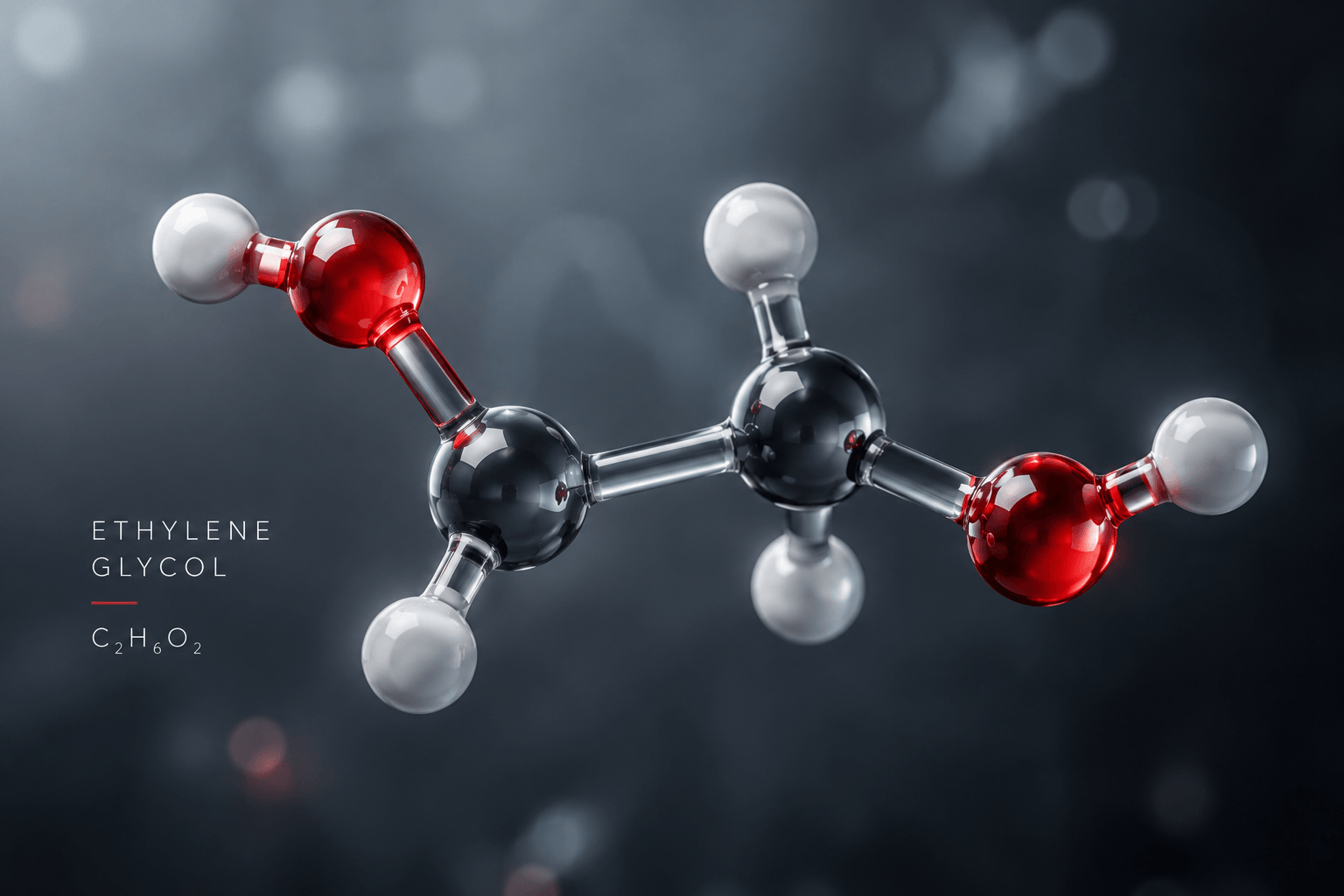
Published work documents specific problems such as ethylene glycol fouling and deposit formation under certain operating conditions.

Troubleshooting Ethylene Glycol Fouling & Deposits

Mono ethylene glycol is chosen as a hydrate inhibitor for its low volatility, relatively low toxicity, low flammability, favorable thermodynamic properties, and wide availability. In regeneration plants it presents two common issues: equipment fouling from iron carbonate and deposits of Ca2+/Mg2+ salts.

Ethylene glycol regeneration plan: a systematic approach to troubleshoot the common problems, ME Haque, 2012

What Signs Indicate Chemical Feed Pump Problems?

Chemical feed pumps maintain target glycol concentration and system stability. Watch for uneven flow, abnormal noises, and pressure fluctuations — these symptoms can lead to overheating or freeze risk if dosing is off. Regular inspection and upkeep of chemical feed pumps reduce the chance of unexpected failures.

How to Troubleshoot Glycol Feed Pump and Chemical Feeder Failures?

Follow a structured diagnostic routine: clear or verify suction and discharge lines for blockages, confirm electrical connections and control signals, inspect seals and fittings for leaks, and assess mechanical wear on moving parts. A disciplined process helps technicians isolate faults and restore accurate dosing quickly.

What Are Common Causes of Glycol Feed Pump Malfunctions?

Frequent causes include mechanical wear, incorrect calibration, and imbalanced chemistry. Extended run time or deferred maintenance lowers pump efficiency, while miscalibration produces inaccurate feed rates. Scheduled servicing and calibration reduce these risks.

Which Steps Ensure Accurate Chemical Feed Calibration?

To calibrate: verify the pump’s actual flow rate, adjust the feed rate to meet system demand, and perform routine performance tests. Implementing a calibration schedule maintains consistent, effective dosing and prevents drift over time.

How Does Corrosion Impact Closed Loop Glycol Systems and Cooling Towers?

Corrosion is a key threat in closed-loop glycol systems and cooling towers. Interactions among glycol, additives, and metal surfaces can produce corrosive byproducts and rust that weaken piping and components, causing leaks and reduced system efficiency over time.

What Are Effective Corrosion Monitoring and Prevention Techniques?

Key measures include scheduled visual and instrument inspections, using appropriate corrosion inhibitors, and maintaining correct glycol concentration and water chemistry. Early detection enables targeted remediation; inhibitors and chemistry control reduce corrosion rate and extend component service life. Learn more about corrosion monitoring to protect system assets.

How Do Biocide Feeders Help Manage System Corrosion?

Biocide feeders limit microbial growth and biofilm formation, which are major contributors to microbially induced corrosion. Properly dosed biocides help preserve heat-transfer surfaces and maintain long-term system reliability.

What Best Practices Minimize Cooling Tower Chemical Feed Challenges?

Adopt routine chemical-level monitoring, control water chemistry to target parameters, and perform regular maintenance on feed equipment. These practices reduce operational risk and the likelihood of feed-related interruptions.

How to Detect and Prevent System Leaks in Closed Loop Systems?

Use visual inspections, pressure testing, and electronic leak detection to find leaks early. Promptly repair discovered leaks and perform follow-up checks so small issues don’t become system failures.

What Maintenance Checklists Ensure Long-Term System Reliability?

A robust checklist should include pump and valve inspections, glycol concentration and freeze-point verification, corrosion assessments, and leak checks. A consistent schedule helps operators address problems proactively and sustain efficient operation.

Corrosion Prevention TechniqueDescriptionEffectiveness
Corrosion InhibitorsSpecialized chemicals added to glycol to slow corrosion reactionsHigh
Regular InspectionsPlanned visual and instrument checks to catch corrosion earlyMedium
Water Chemistry ManagementMaintaining target pH and balanced chemical concentrationsHigh

This table summarizes common corrosion prevention approaches and their relative effectiveness for protecting glycol-system integrity. Understanding these options helps operators select the best mitigation strategy for their installation.

In summary, proactively addressing glycol feed system faults preserves performance and prevents costly downtime. Applying the troubleshooting steps, preventive maintenance, and corrosion-control strategies described here improves reliability and lowers lifecycle costs. Vector Industries manufactures rugged chemical feed systems and water-treatment equipment built for closed-loop glycol systems, cooling towers, and boiler applications.

For dependable, American-made water treatment equipment, visit Vector Industries products or give our team a call at (262) 542-4550 to discuss how we can support your cooling tower operation.

Vector Industries: Equipment Built for the Long Haul

Reliable glycol feed performance depends on equipment that’s designed to handle the realities of closed-loop service—thermal cycling, chemistry shifts, and years of continuous duty. Vector Industries builds chemical feed and water treatment equipment with those conditions in mind, and we back it with the engineering support facility teams need to keep systems running predictably.

Glycol Feeders Built for Closed-Loop Reliability

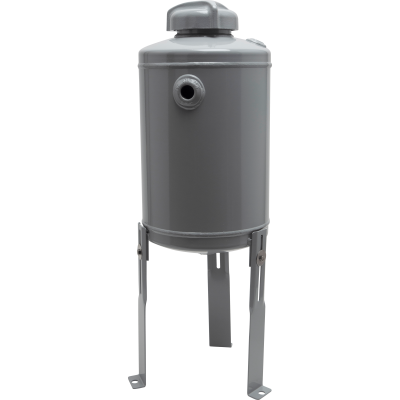
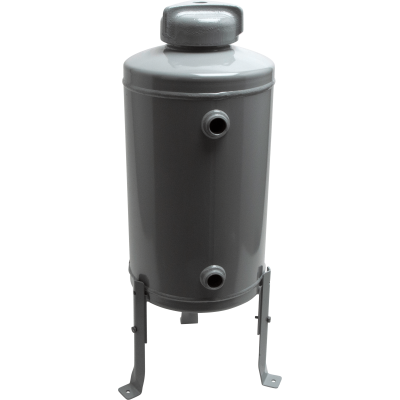
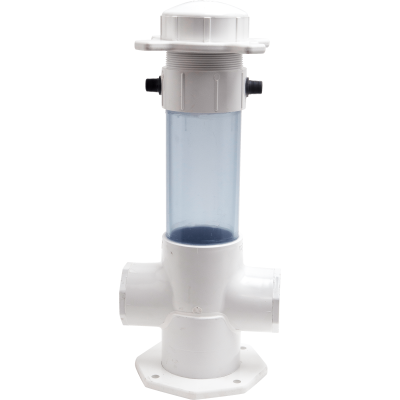
Vector Industries glycol feeders are engineered specifically for the demands of closed heating and cooling loops. Heavy-duty tanks, chemical-resistant components, and clean internal geometry help keep glycol stable, simplify recharging, and reduce the wear points that lead to leaks or contamination. Whether you’re maintaining freeze protection in a chiller loop or topping off a hydronic heating system, our feeders are designed to dose accurately and operate dependably year after year.

Chemical Feed Pumps That Hold Their Calibration

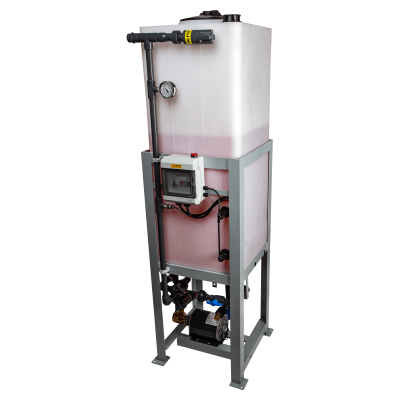
Inconsistent dosing is one of the most common root causes of glycol system trouble, and it usually starts at the pump. Vector Industries selects and integrates chemical feed pumps engineered for tight calibration tolerances and steady performance under fluctuating system loads. Our designs make it easy for technicians to verify flow rates, adjust feed settings, and catch drift before it turns into a chemistry imbalance — which means fewer surprises during routine inspections and fewer emergency callouts.

Corrosion Monitoring That Integrates With Your Feed System

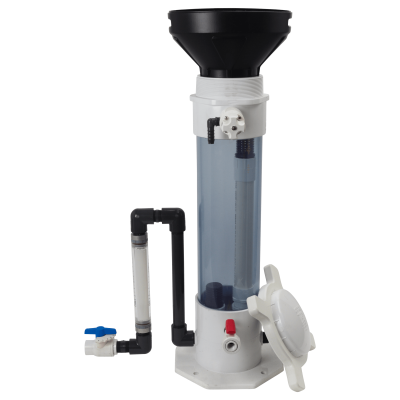
Because corrosion is one of the biggest long-term threats to glycol loops, Vector Industries offers corrosion coupon racks and monitoring components that work seamlessly alongside our feeders. Operators can sample, inspect, and document corrosion rates without disrupting flow, giving water treatment professionals the data they need to dial in inhibitor dosages and protect piping, heat exchangers, and circulating pumps over the long haul.

Serviceability Designed Into Every System

Glycol systems require regular attention — concentration checks, freeze-point verification, seal inspections, and inhibitor top-offs. Vector Industries equipment is laid out for the technician who actually has to perform that work. Accessible fill ports, clearly labeled valves, easy-to-reach fittings, and replaceable wear components shorten maintenance windows, reduce labor costs, and make it far easier to follow the structured maintenance checklists that keep closed-loop systems reliable.

American Manufacturing, Direct Engineering Support

Every Vector Industries product is designed and manufactured in the U.S., built by certified welders and assembled to consistent quality standards. Even our steel is sourced from the U.S. That domestic footprint translates into faster lead times when you need a replacement, tighter quality control on every weld and fitting, and direct access to the engineers who actually built your equipment. When a glycol system needs troubleshooting, our technical team can speak the same language as your maintenance crew and help diagnose issues quickly.

A Full Lineup for the Whole Loop

Glycol feeders are only one part of a healthy closed-loop program. Vector Industries also manufactures bypass feeders, biocide feeders, brominators, and corrosion monitoring equipment — so facility managers can source compatible, well-engineered equipment for the entire treatment chain from a single American manufacturer. That integration simplifies specification, streamlines maintenance, and ensures every component in the loop is built to the same standard of durability and precision.

From the pump head to the corrosion coupon rack, Vector Industries gives plant operators, contractors, and water treatment professionals the rugged, serviceable, and accurately calibrated equipment they need to keep glycol systems performing efficiently — and to extend the life of the assets those systems protect.

Ready to strengthen your cooling tower program? Browse the full lineup of Vector Industries products or call (262) 542-4550 today to talk through the right solution for your facility.

Frequently Asked Questions

What is the role of glycol in industrial systems?

Glycol serves as a heat-transfer and antifreeze fluid in closed-loop heating and cooling circuits. It transports heat efficiently and prevents freezing at low temperatures, helping maintain reliable system operation.

How can I identify glycol degradation in my system?

Look for changes in color, odor, and viscosity; lab analysis for acidity and degradation byproducts provides definitive confirmation. Regular sampling and testing enable early intervention and remediation planning with a specialist when necessary.

What are the consequences of not maintaining glycol feed systems?

Neglect leads to reduced heat transfer, higher energy consumption, greater risk of component failure, and ultimately expensive repairs and downtime. Routine maintenance preserves reliability and lowers total lifecycle cost.

What types of corrosion inhibitors are effective for glycol systems?

Both organic and inorganic inhibitors are used; common classes include azoles, phosphates, and nitrites, each protecting specific metal types. Selection depends on system materials and operating conditions, and dosing should be validated by ongoing monitoring.

How often should I perform maintenance on glycol feed systems?

Frequency depends on system duty and environment, but quarterly inspections are a common baseline. Check chemical levels, pumps and valves, and look for corrosion or leaks; increase inspection frequency in aggressive conditions.

What are the best practices for managing water chemistry in glycol systems?

Maintain target pH, regularly monitor chemical concentrations, and balance additives. Routine water-quality testing detects imbalances that lead to corrosion or scaling. A water-treatment program combining biocides and corrosion inhibitors supports long-term system performance and reliability.

What makes Vector Industries equipment a good fit for closed-loop glycol systems?

Vector Industries equipment is purpose-built for closed-loop glycol systems, with American-made construction, tight calibration tolerances, and serviceable designs that hold up under continuous duty. Key advantages include:

  • Closed-loop durability: Heavy-duty glycol feeders and chemical feed pumps engineered to withstand thermal cycling, chemistry shifts, and long-term industrial service.
  • Calibration accuracy: Precision dosing components that maintain consistent feed rates and reduce drift between maintenance intervals.
  • Integrated corrosion monitoring: Coupon racks and monitoring equipment that work alongside Vector feeders to protect piping, heat exchangers, and circulating pumps.
  • Maintenance-friendly design: Accessible fill ports, clearly labeled valves, and replaceable wear components that simplify routine service.
  • American manufacturing and direct support: Every product is designed and built in the U.S., delivering faster lead times, consistent quality, and direct access to the engineers who built your equipment.

Together, these features help facility managers, contractors, and water treatment professionals keep glycol systems efficient, compliant, and reliable over the long term.
How to Prevent Legionella in Cooling Towers

Expert Guidance by Vector Industries, Inc.

This guide was created by the water treatment specialists at Vector Industries, Inc., a U.S. manufacturer with more than six decades of experience in water treatment equipment design and support. Since 1966, Vector Industries has delivered 100% U.S.-designed and manufactured equipment built for demanding industrial environments. Our certified welders and engineering team support critical sectors—power and energy, healthcare, food and agriculture, oil and petroleum, and more—providing reliable equipment and direct technical support backed by a fast fulfillment model.

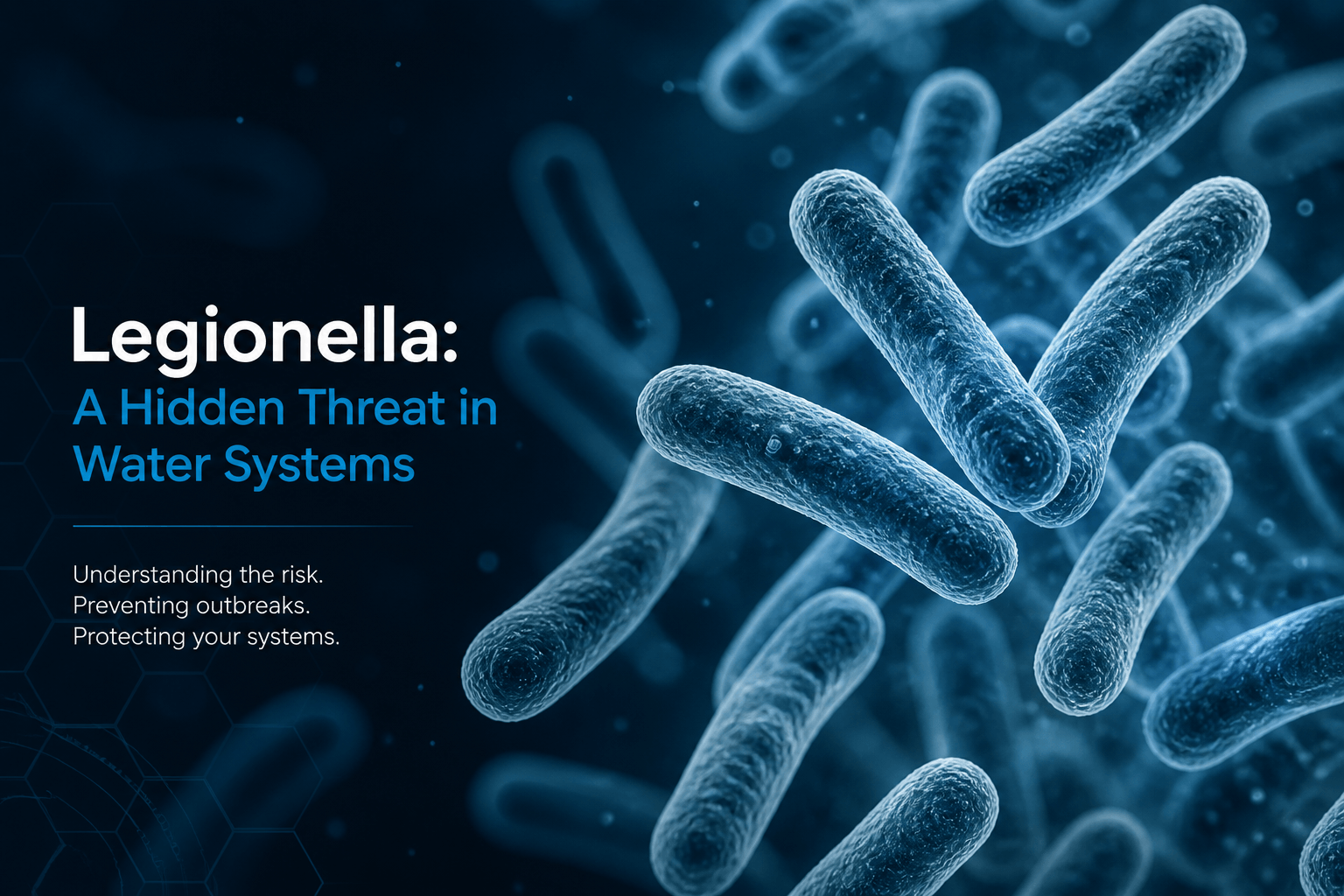
Legionella bacteria carry serious health and regulatory consequences, particularly in cooling towers where stagnant or poorly managed water can trigger outbreaks. According to the Centers for Disease Control and Prevention (CDC), cooling towers are a common source of Legionnaires’ disease, with thousands of U.S. cases estimated each year. 

This article outlines proven control measures, including biocide dosing systems, structured maintenance, purposeful design features, and compliance steps, that help facility managers reduce contamination risk and protect building occupants. These recommendations align with industry-recognized guidance such as ASHRAE Standard 188, CDC prevention guidance, and OSHA recommendations for cooling tower water management.

Key Takeaways

  • Effective Legionella prevention requires chemical treatment, maintenance, monitoring, and a documented Water Management Plan aligned with ASHRAE 188.
  • Biocide dosing systems help control bacterial growth in cooling towers through consistent chlorine or bromine treatment.
  • Bypass feeders and chemical feed systems support safe, uninterrupted dosing in HVAC and industrial water systems.
  • Routine inspections, corrosion monitoring, blowdown, and water testing reduce contamination risk and improve system reliability.
  • Accurate chemical dosing and proper system design help maintain water quality, regulatory compliance, and long-term equipment performance.
  • Staff training, documentation, and risk assessments are critical for ongoing Legionella prevention and OSHA/CDC compliance.
  • Vector Industries provides top-tier water treatment products including bypass feeders, brominators, biocide feeders, and glycol feeders. Vector Industries’ products have been made in America for 60+ years.

What Are the Most Reliable Legionella Control Methods for Cooling Towers?

Reliable control relies on a combination of regular maintenance, targeted chemical treatment, and ongoing monitoring. Core methods include:

  • Biocide Dosing Systems: Continuous dosing reduces bacterial populations. Oxidizing biocides such as chlorine and bromine are commonly used; dosing must be adjusted to maintain effective residuals and to prevent regrowth or resistance.
  • Regular Maintenance Practices: Routine inspections, physical cleaning, and scheduled blowdown remove sediments, biofilm, and nutrient sources that support bacterial growth.
  • Water Quality Monitoring: Frequent testing confirms conditions remain unfavorable for Legionella. Testing should be at least monthly—more often in warmer months—and include temperature, pH, biocide residuals, and microbial counts.

Applied together, these measures reduce the likelihood of outbreaks and support compliance with regulatory standards.

How Do Biocide Dosing Systems Prevent Legionella Growth?

Biocide dosing systems—typically using chlorine or bromine—continuously deliver disinfectant to disrupt bacterial activity and lower counts. Consistent dosing is critical because fluctuations can permit regrowth. Systems designed to meet ASHRAE Standard 188 provide a practical control framework. Maintaining pH between 6.5 and 8.5 improves biocide effectiveness. Vector Industries’ dosing equipment is built to deliver precise, repeatable doses to meet these control targets.

Which Chemical Feed Systems Are Best for Cooling Tower Water Treatment?

Chemical feed systems vary by application. Leading options include:

  • Biocide Feeders: Meter biocides at controlled rates to maintain consistent treatment.
  • Bypass Feeders: Add chemicals without interrupting flow, enabling continuous operation.
  • Glycol Feeders: Used in closed loops to manage temperature and prevent freezing.

Choose equipment that fits your system’s size, operating conditions, and maintenance capacity to ensure long-term reliability. Vector Industries designs and manufactures its products right here in the U.S. to meet rigorous industrial standards and deliver dependable performance.

Best Practices for Maintenance

Consistent, documented maintenance reduces Legionella risk while preserving system uptime. Adopt clear procedures and keep accurate records as part of your Water Management Plan.

How Does Regular Corrosion Monitoring Support System Integrity?

Corrosion monitoring—using tools like corrosion coupon racks—tracks metal degradation over time. Early detection of corrosion prevents leaks and failures that create environments favorable to Legionella and helps maintain water quality. Vector Industries’ corrosion monitoring solutions integrate with chemical feed systems to improve overall protection.

What Maintenance Schedules Optimize Legionella Prevention?

A practical maintenance schedule should include:

  • Frequency of Chemical Treatments: Plan biocide applications based on test results and system conditions—commonly weekly or per water treatment professional recommendations.
  • Visual Inspection Schedules: Inspect for debris, biofilm, and scaling regularly—at minimum monthly.
  • Water Quality Testing Intervals: Test at least monthly and increase frequency in warmer months to catch conditions that favor Legionella growth.
  • Blowdown Frequency: Perform regular blowdown to remove sediment and lower nutrient loads—typically weekly or as system monitoring dictates.

Adhering to a structured schedule lowers contamination risk and supports compliance with ASHRAE 188 and OSHA guidance.

How Should Water Treatment System Design Incorporate Legionella Prevention Measures?

System design plays a central role in controlling Legionella. Integrate features that keep treatment consistent and protect critical components.

What Are Key Design Features for Closed-Loop Chemical Feed Systems?

Include design elements that support steady treatment and system protection:

  • Bypass Feeders: Allow dosing without interrupting flow so treatment continues uninterrupted.
  • Corrosion Inhibitors: Protect metal components from degradation, extending equipment life and reducing contamination risk.
  • Flow Indicators and Meters: Supply data for timely adjustment and verification of dosing accuracy.

Together, these features help prevent conditions that favor Legionella. Vector Industries engineers solutions that incorporate these elements for demanding industrial applications.

How Does Accurate Chemical Dosing Enhance Microbial Control?

Precise dosing keeps disinfectant levels in the effective range, reducing the chance of microbial resistance and preserving water quality. Modern dosing technologies increase accuracy and generate operational records that support regulatory compliance with agencies like OSHA and the CDC. Vector Industries’ dosing systems provide the precision and documentation facility managers need to maintain control.

What Regulatory Compliance and Risk Management Strategies Ensure Legionella Control?

Follow guidance from health authorities such as the CDC, OSHA, and ASHRAE. Compliance depends on clear processes, documentation, and proactive risk management.

Key strategies include:

  • Regular Training for Maintenance Staff: Train personnel on risks, prevention steps, proper use of dosing equipment, and maintenance procedures.
  • Documentation of Maintenance Activities: Maintain detailed records of treatments, testing, inspections, and corrective actions as part of your Water Management Plan.
  • Implementation of Risk Assessment Protocols: Conduct regular assessments to identify and mitigate vulnerabilities, especially in high‑risk settings like hospitals, hotels, and large commercial buildings.

Prioritizing compliance and risk management lowers contamination likelihood and supports regulatory adherence. Vector Industries provides both equipment and expert guidance to help clients meet these requirements.

For more information on comprehensive water treatment solutions, visit Vector Industries products or call (262) 542-4550 today to discuss options that improve cooling tower safety and efficiency.

The Vector Industries Difference

When it comes to Legionella prevention, the equipment behind your water management plan matters as much as the plan itself. Vector Industries designs and manufactures purpose-built solutions that give facility managers the precision, durability, and serviceability needed to keep cooling tower systems compliant and contamination-free.

Brominators Built for Consistent Disinfection

Vector Industries’ brominators deliver steady, controlled bromine dosing—one of the most effective oxidizing biocides for Legionella control in cooling towers. Bromine performs reliably across a wider pH range than chlorine, holds up better in warm water, and produces fewer harsh byproducts. Our brominators are engineered to maintain consistent residuals, eliminate the dosing fluctuations that allow regrowth, and operate dependably under demanding industrial conditions.

Precision Flow Controls

Accurate dosing depends on accurate flow. Vector Industries integrates high-quality flow controls, indicators, and meters into every chemical feed system we build. These components ensure that biocides, corrosion inhibitors, and other treatment chemicals are delivered at the right rate—every time—giving operators real-time visibility into system performance and the data they need to make informed adjustments.

Professional Wiring and Electrical Integration

Every Vector Industries system is wired by trained technicians to industrial standards, with clearly labeled terminals, properly rated components, and serviceable layouts. Clean, code-compliant wiring reduces downtime, simplifies troubleshooting, and ensures safe integration with pumps, controllers, sensors, and building management systems.

Detailed Engineering Diagrams and Documentation

Each Vector Industries system ships with comprehensive engineering and electrical diagrams—including P&IDs, wiring schematics, and dimensional drawings—so your team and outside contractors can install, operate, and service the equipment with confidence. These documents also support ASHRAE 188 documentation requirements and make audits, inspections, and Water Management Plan reviews far more efficient.

Properly Engineered Piping

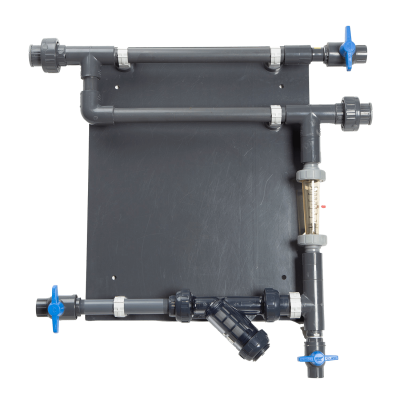
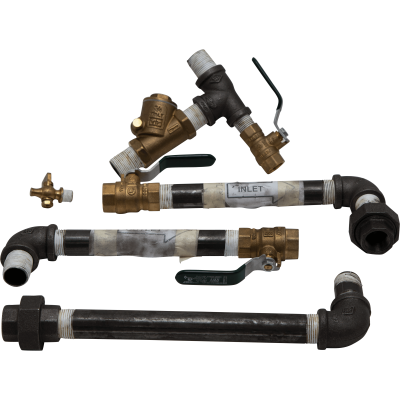
The piping around a chemical feed or biocide dosing system has a direct impact on treatment effectiveness. Vector Industries engineers piping configurations that promote proper mixing, eliminate dead legs, support reliable sample collection, and resist corrosion. Thoughtful piping design protects equipment, ensures even chemical distribution, and removes the stagnation conditions where Legionella thrives.

Maintenance Designed In, Not Bolted On

Vector Industries equipment is built for serviceability. Isolation valves, accessible fittings, replaceable wear parts, and clear access points make routine maintenance—blowdown, cleaning, coupon replacement, calibration, and component inspection—faster and safer. Combined with our direct technical support and decades of field experience, this design philosophy helps your team stay ahead of problems rather than reacting to them.

From the brominator to the last fitting on the discharge line, every component of a Vector Industries system is designed, manufactured, and supported in the U.S. with a single goal: giving facility managers the reliable, precise, and serviceable equipment they need to protect occupants, satisfy regulators, and extend the life of their cooling tower systems.

Looking for a better approach to cooling tower water treatment? Visit Vector Industries products or call (262) 542-4550 to learn how the right equipment can improve system safety and operating efficiency.

Frequently Asked Questions

What are the health risks associated with Legionella in cooling towers?

Legionella can cause Legionnaires’ disease, a severe form of pneumonia, and Pontiac fever, a milder illness. People with weakened immune systems, older adults, and those with chronic conditions face the highest risk. Outbreaks often occur in large buildings with complex water systems where stagnation and biofilm allow bacterial growth. Facility managers should implement prevention plans to protect occupants and public health.

How often should water quality testing be conducted in cooling towers?

Test at least monthly and increase frequency during warmer months. Regular testing detects conditions that favor Legionella—such as elevated temperature or nutrient loads—and verifies treatment effectiveness. Routine tests should include microbial analysis, pH, temperature, and residual biocide levels.

What role does temperature play in Legionella growth?

Temperature is a key driver: Legionella thrives roughly between 68°F and 122°F (20°C–50°C). Designing and operating systems to avoid sustained temperatures in this range, and monitoring temperatures routinely, helps reduce proliferation risk.

What are the signs of Legionella contamination in cooling towers?

Warning signs include unusual odors, visible biofilm or slime, and unstable water quality readings. Clusters of respiratory illness among building occupants may also signal contamination. Regular inspections and testing enable early detection and corrective action.

How can facility managers ensure compliance with Legionella regulations?

Implement a documented Water Management Plan that includes staff training, thorough maintenance records, and routine risk assessments. Keep current with local and national guidance from the CDC, OSHA, and ASHRAE to maintain compliance. 

What are the benefits of using advanced dosing technologies in cooling towers?

Advanced dosing systems deliver greater precision and consistency, can respond to real‑time water data, reduce the risk of resistance, and produce accurate usage records that support regulatory compliance and overall system efficiency.

What regulations govern Legionella control in cooling towers?

Legionella control is guided by standards such as ASHRAE Standard 188, OSHA guidance, and CDC recommendations. High‑risk facilities are expected to implement Water Management Plans that include risk assessments, control measures, and documentation.

What equipment is essential for a Legionella prevention program?

Essential equipment includes biocide dosing systems (oxidizing and non‑oxidizing), bypass feeders, corrosion monitoring devices, flow meters, and water testing kits. Vector Industries offers a full range of these products, engineered for reliability and regulatory support.

What sets Vector Industries apart from other water treatment equipment manufacturers?

Vector Industries is proudly made in America, with all products designed and manufactured in the U.S. since 1966. Our product lineup—including bypass feeders, brominators, biocide feeders, and glycol feeders, is built to handle the demands of real industrial environments. Our domestic manufacturing means tighter quality control, faster fulfillment, and direct access to the engineering team that built your equipment. Combined with our certified welders, decades of field experience, and dedicated technical support, Vector Industries delivers reliable performance and peace of mind for facility managers across power and energy, healthcare, food and agriculture, oil and petroleum, and other critical sectors.

Why Bypass Feeders Matter in Modern Water Treatment

In today’s water treatment industry, efficiency, reliability, and system protection are more important than ever.

While technology continues to evolve, one piece of equipment has remained a staple in closed-loop and hydronic systems: the bypass pot feeder.

Simple in design but highly effective in application, bypass feeders play a critical role in maintaining system health, reducing corrosion, and extending equipment life.

What Is a Bypass Pot Feeder?

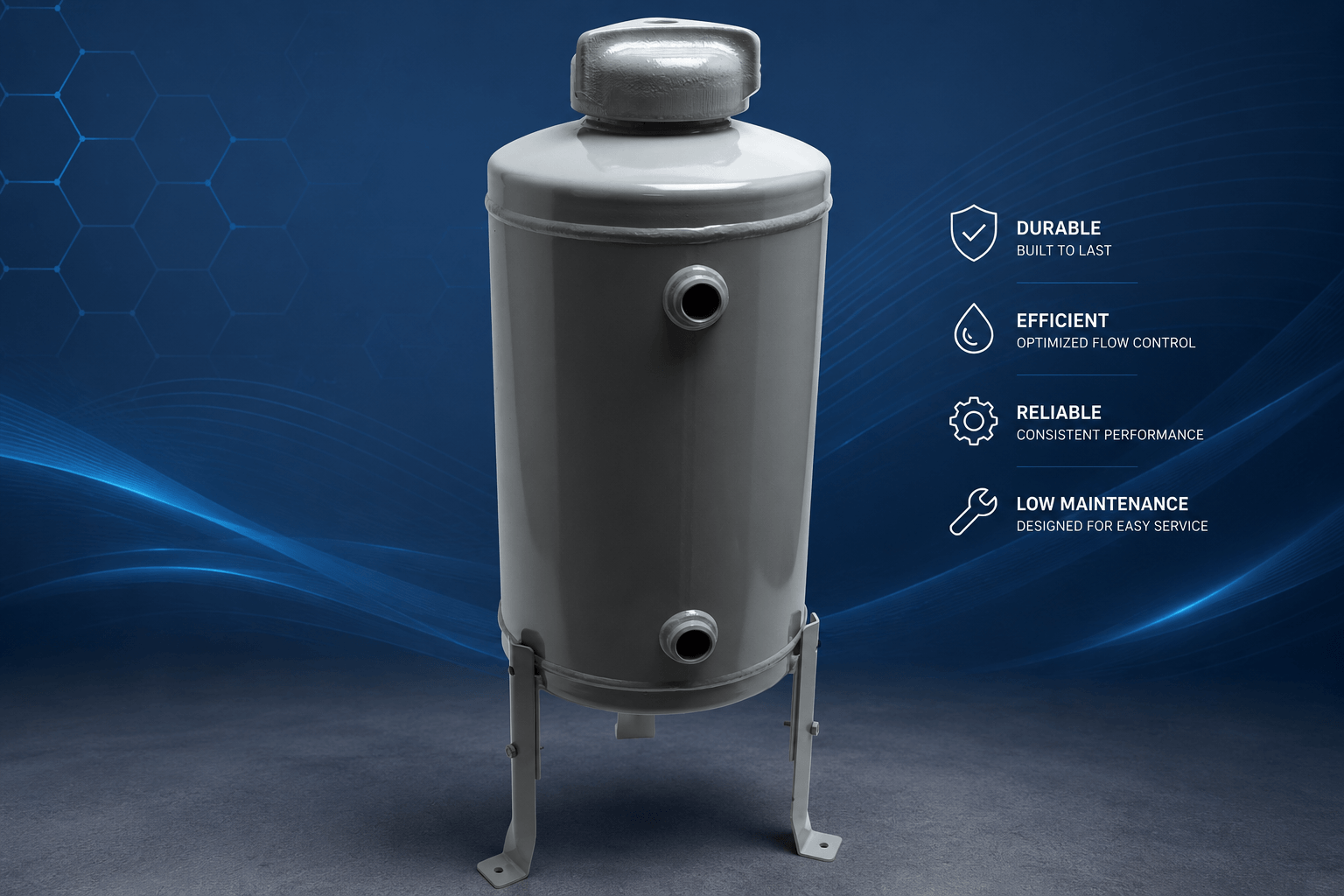
A bypass pot feeder is a pressurized vessel installed on a side stream of a closed-loop water system. Its primary purpose is to introduce water treatment chemicals — such as corrosion inhibitors, biocides, glycol, and cleaning agents — into the system safely and efficiently.

Rather than shutting down the main system for chemical addition, operators can isolate the feeder, add the treatment, and allow the system flow to gradually circulate the chemical throughout the loop.

This makes chemical additions safer, cleaner, and far more controlled.

Why Are They Important?

Closed-loop systems are often overlooked because they are “sealed,” but they still experience corrosion, scale buildup, microbiological growth, and suspended solids.

Without proper treatment, these issues can lead to:

  • Reduced heat transfer efficiency
  • Increased energy costs
  • Premature equipment failure
  • Pump and valve damage
  • Blocked strainers and poor flow
  • Expensive downtime and repairs

A properly maintained bypass feeder helps prevent these issues by making routine chemical treatment simple and effective.

Proper Sizing Matters

Bypass feeders and side-stream filtration systems should never be sized randomly. Key factors include:

  • Total system size and volume
  • System flow rates
  • Pipe size
  • Type of system (closed loop, chilled water, hot condenser loop, glycol system)
  • Operating pressure and temperature
  • Amount of suspended solids
  • Expected chemical demand
  • Chemical compatibility
  • Material of construction
  • Filtration integration options
  • Maintenance and service requirements
  • Location and ease of access

A common mistake is undersizing the feeder or filtration system, which limits treatment effectiveness and slows chemical distribution.

Chemical Compatibility Is Critical

Not every chemical belongs in every feeder. Important considerations include:

  • Steel vs. stainless steel construction
  • pH range of chemicals
  • Oxidizer compatibility
  • Glycol compatibility
  • Corrosion inhibitor chemistry
  • NSF or industry approvals when required

For example, aggressive acids such as hydrochloric acid require careful review of metallurgy before being used in a standard steel feeder.

Filtration Supports Chemistry

Chemicals alone do not solve suspended solid problems. If magnetite, iron oxide scale, or debris are circulating through the system, they may continue to cause:

  • Under-deposit corrosion
  • Strainer plugging
  • Reduced heat transfer
  • Pump seal damage
  • Valve failures
  • Increased corrosion rates

Side-stream filtration and magnetic separation physically remove these solids, helping the chemistry work more effectively.

Installation Can Make or Break Performance

Even the best bypass feeders can fail with poor installation.

Critical considerations include:

  • Dielectric unions
  • Proper isolation valves
  • Correct bypass flow
  • Safe pressure relief considerations
  • Avoiding dead-leg installations
  • Proper sample ports for monitoring treatment results

Engineers Want Data

Good recommendations should include:

  • Micron ratings of filtration
  • Expected turnover rates
  • Differential pressure expectations
  • Water quality baseline testing
  • Before-and-after condition documentation

This helps move the conversation from simply “selling equipment” to solving a system problem.

Final Thought

At Vector Industries, our family-owned and operated business has proudly manufactured water treatment equipment in the USA for over 60 years using materials sourced from trusted American suppliers.

We offer magnetic inserts and filtration options designed to help remove magnetite, iron oxides, and suspended solids to provide greater system protection and longer equipment life.

If you have questions about sizing, installation, or selecting the right feeder for your application, contact the Vector Industries team today.