Added
Added
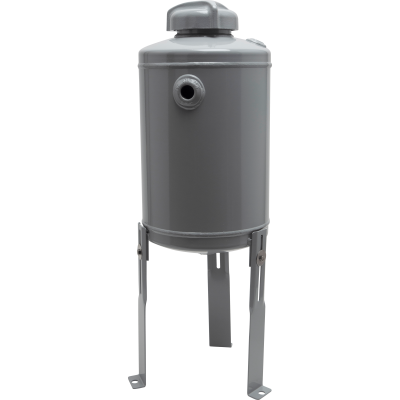
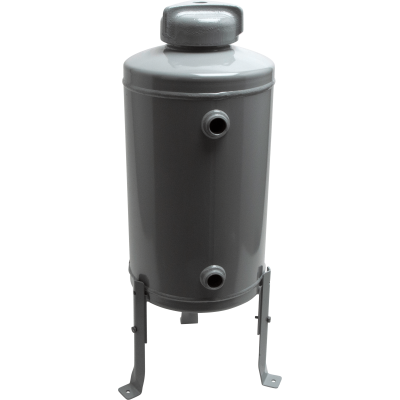
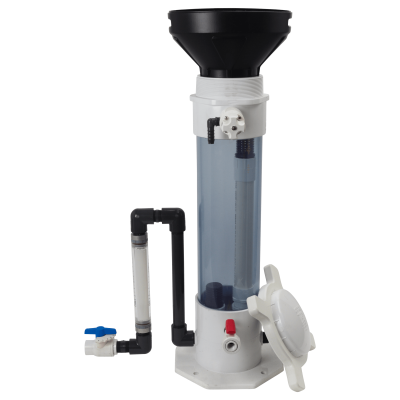
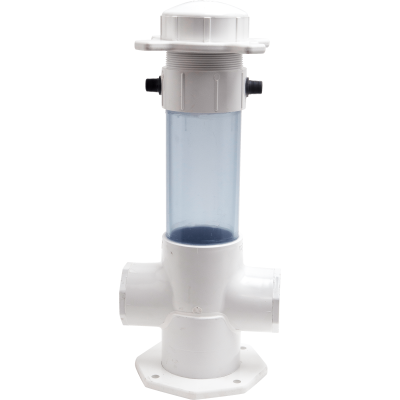
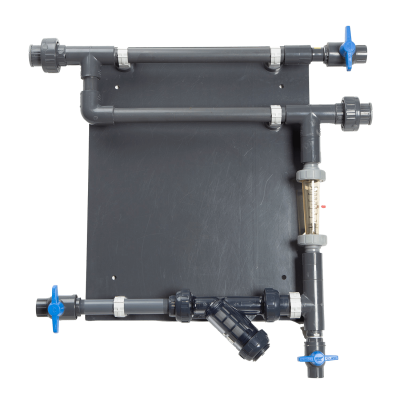
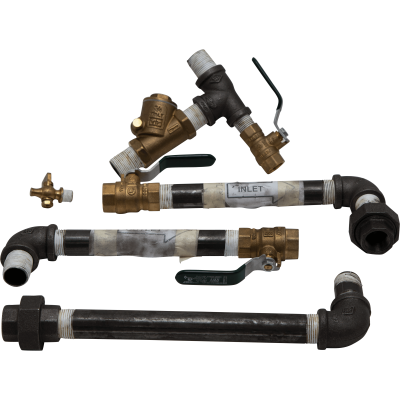


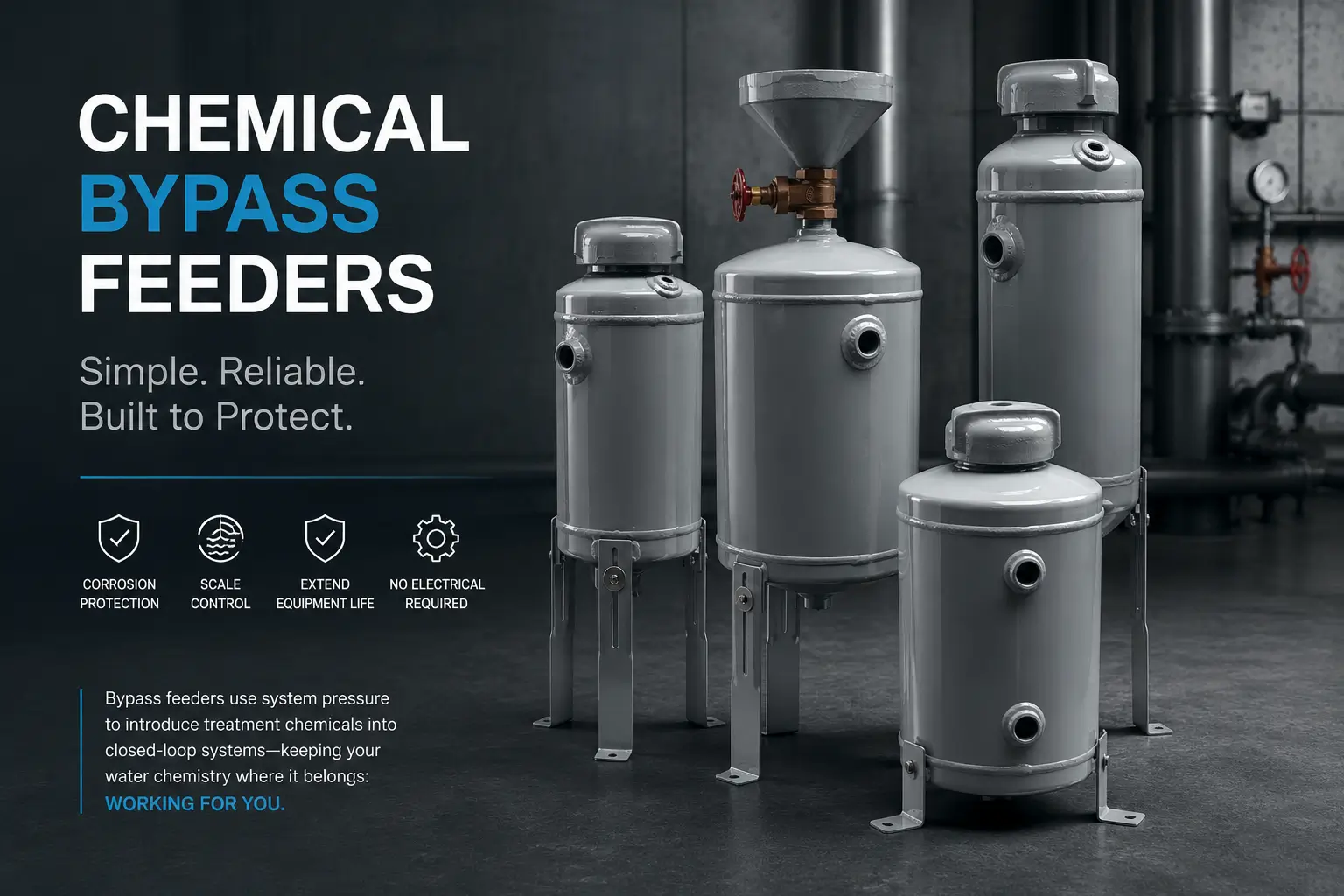
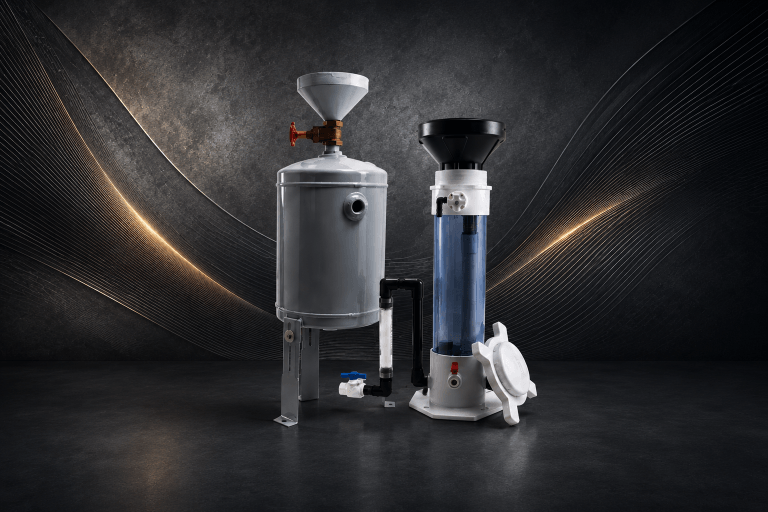
What Is a Chemical Bypass Feeder?
A chemical bypass feeder protects closed-loop HVAC systems from scale and corrosion, no electricity required. See how it works and how to choose one.



Wondering how a chemical bypass feeder works? This guide explains the pressure differential, bypass flow, chemical distribution, and why bypass feeders are an effective solution for treating closed-loop HVAC, boiler, glycol, and industrial process water systems.
A chemical bypass feeder protects closed-loop HVAC systems from scale and corrosion, no electricity required. See how it works and how to choose one.
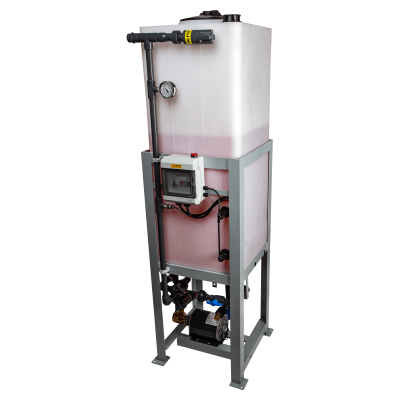
Learn what to look for in a chemical feed system in 2026, including precision dosing, durability, automation, corrosion prevention, and remote monitoring for industrial water treatment applications.
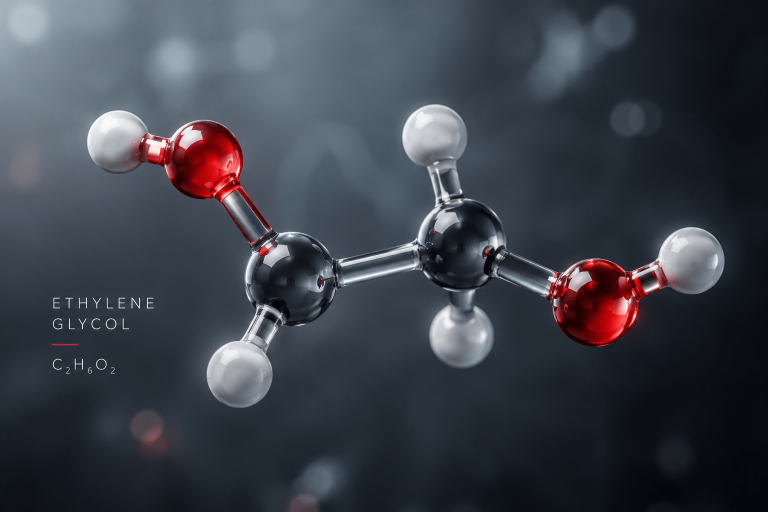
Learn the best practices for adding chemicals to closed-loop systems, including precision dosing, bypass feeders, corrosion prevention, flow control, safety compliance, and maintenance strategies that improve long-term system reliability and efficiency.
From pump calibration problems to glycol degradation, small feed system issues can quickly turn into expensive operational failures.
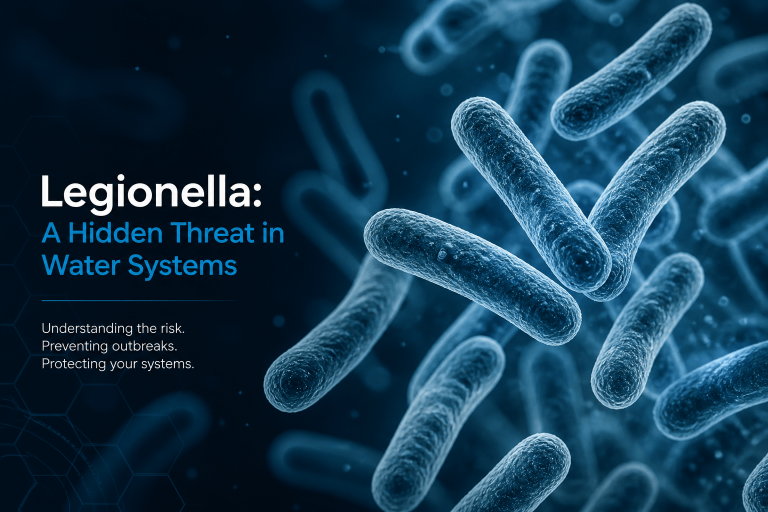
Explore how proper cooling tower water treatment, biocide dosing, and preventive maintenance help reduce Legionella risk and protect system performance.
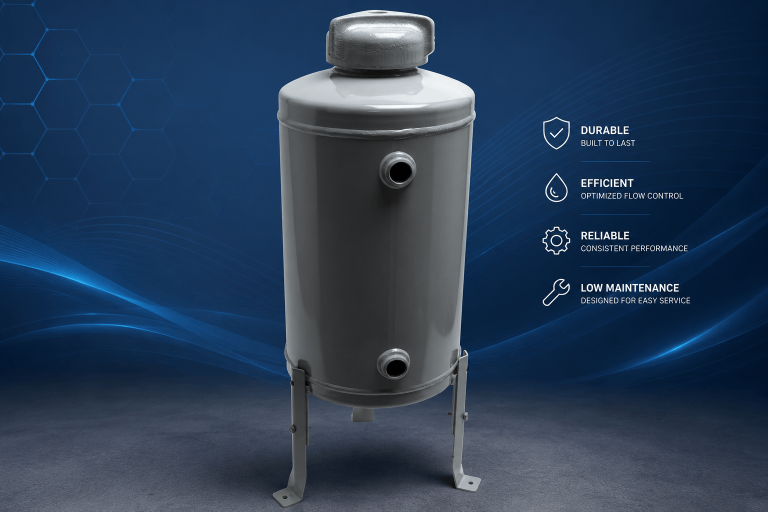
Learn why bypass feeders remain a critical part of modern water treatment systems for corrosion prevention, chemical control, and long-term equipment protection.