Added
Added



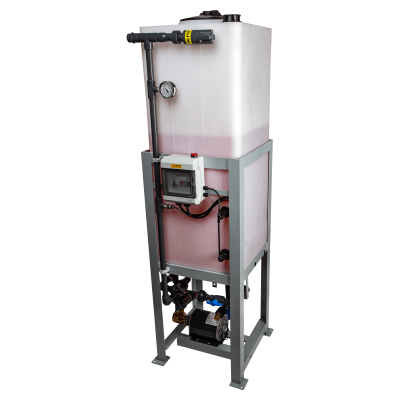
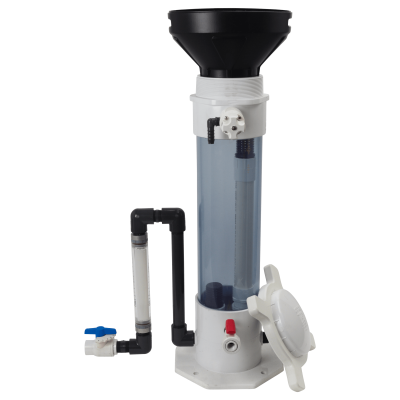
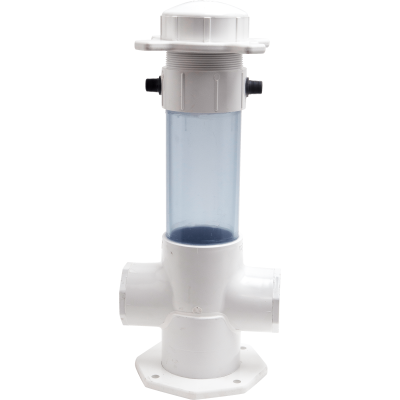
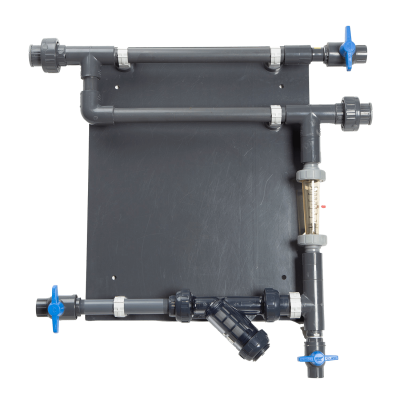
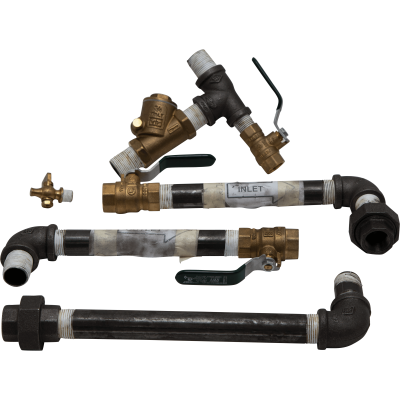


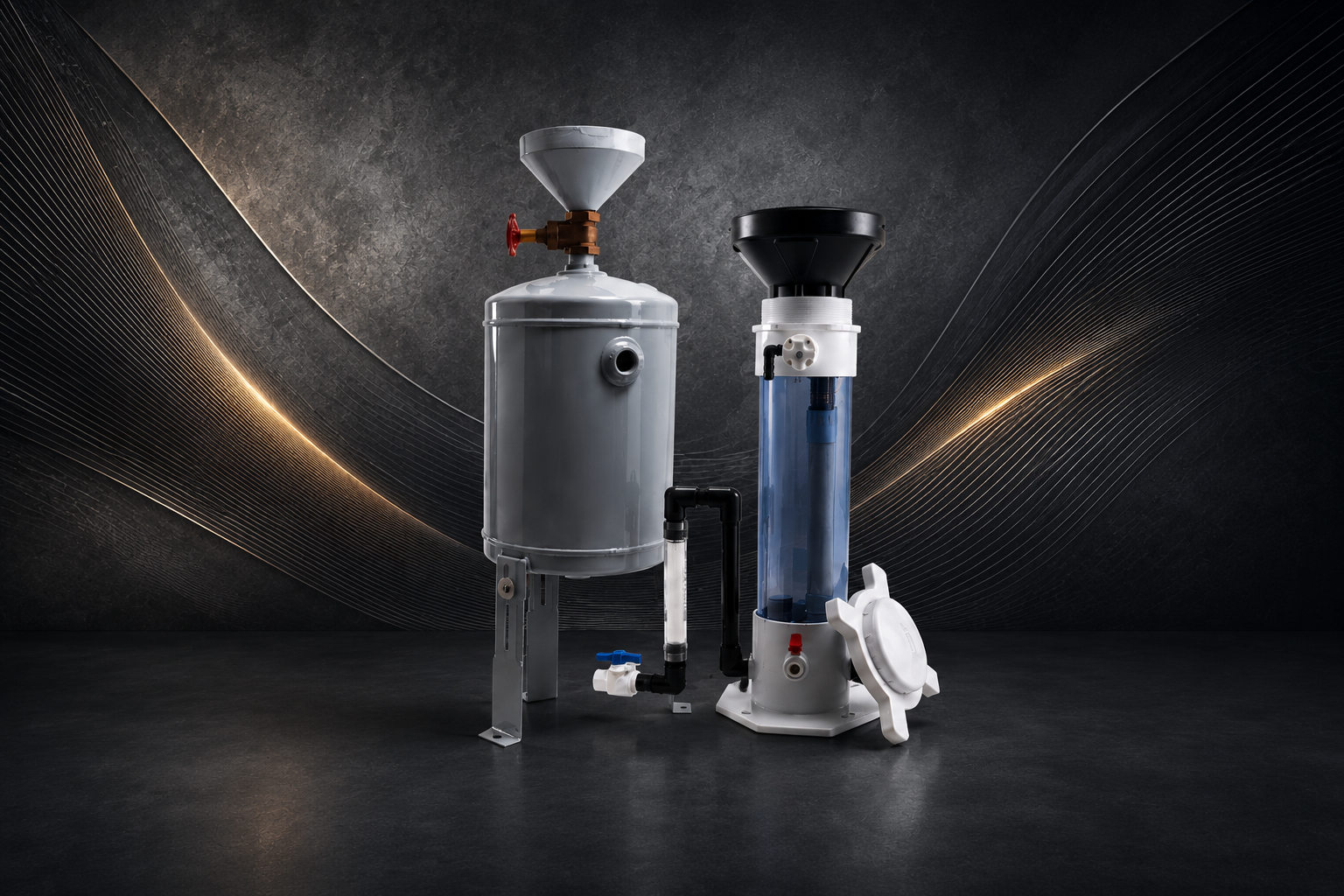
Demand for dependable, efficient chemical feed systems keeps rising. In 2026, buyers should focus on accurate dosing, rugged American-made construction, and measurable lifecycle value. This article walks through the features to evaluate, common industrial uses, recommended installation and maintenance practices, and the roles of safety standards and automation in selection — all to help you make procurement choices that sustain reliable operations with the best chemical feed system and industrial water treatment equipment.
Key Takeaways
- Accurate chemical dosing, supported by reliable flow meters and transducers, reduces waste, improves treatment results, and protects critical equipment from scale, corrosion, and microbial growth.
- Bypass feeders, biocide feeders, and glycol feeders keep closed-loop systems, cooling towers, and boilers free of scale, biological fouling, freezing, and corrosion-related downtime.
- Corrosion-resistant materials and robust system design extend equipment life, lower recurring maintenance costs, and improve long-term reliability across water treatment, power generation, and food and beverage applications.
- Correct installation, routine inspections, cleaning, and timely part replacements prevent early failures, extend service life, and keep treatment programs audit-ready.
- Compliance with safety standards and regulatory requirements—including EPA, ASHRAE, and OSHA guidance—is essential for safe operation, environmental protection, and legal accountability.
- Vector Industries is the best choice for modern water treatment, delivering American-made industrial water treatment equipment paired with cutting-edge technology like automation, IoT integration, and remote monitoring for real-time visibility, improved efficiency, and reduced human error.
Which Key Features Define High-Quality Chemical Feed Systems in 2026?
Top chemical feed systems balance precision monitoring, durable materials, and efficient controls. Advanced sensors and analytics, corrosion‑resistant construction, and smart control logic help systems meet operational targets while delivering measurable business value.
How Does Precision Chemical Dosing Improve System Performance?
Precision dosing minimizes chemical waste and delivers predictable treatment outcomes. Flow meters and pressure transducers provide the feedback loop needed for accurate control, which lowers operating costs and improves overall process efficiency in any chemical feed system.
Why Is Durability Essential for Long-Term Industrial Use?
Durable chemical feeder systems stand up to harsh conditions: corrosion‑resistant components and solid assemblies reduce failures and service calls. Investing in durable materials and proven construction lowers maintenance frequency and total cost of ownership for industrial water treatment equipment.
What Are the Primary Applications of Chemical Feed Systems in Industrial Settings?
Chemical feed systems serve critical roles across power generation, municipal and industrial water treatment, and food processing. Identifying the primary application helps specify flow rates, materials, and controls that match each facility’s needs.
How Are Chemical Feeders Used in Closed-Loop Systems and Cooling Towers?
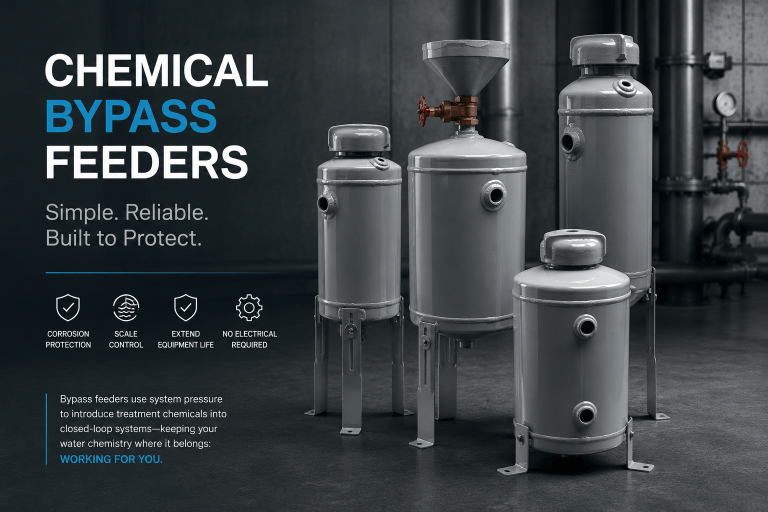
In closed‑loop systems and cooling towers, chemical feeder systems maintain water chemistry. Bypass feeders and targeted biocide dosing prevent scale and microbial growth, helping systems run efficiently and reducing unplanned downtime.
What Role Do Glycol and Biocide Feed Systems Play in Boiler Applications?
Glycol and biocide feed systems play complementary roles in boiler protection: glycol prevents freeze damage and reduces corrosion, while biocides control biological fouling — together supporting reliable boiler operation.
What is Electrolysis and How Can It Damage Chemical Feed Equipment?
Electrolysis, the transfer of electrical current through water and metal piping, causes accelerated
corrosion, pitting, and premature equipment failure. Improper grounding, dissimilar metals, or a lack of dielectric unions can contribute to electrolysis.
To help prevent damage, proper grounding practices and recommended dielectric unions should be used where applicable.
Regular inspections, corrosion monitoring, and careful material selection also play an important role in minimizing electrolysis-related failures. Taking a proactive approach not only protects equipment investment but also helps maintain safer, more efficient system operation over the long term.
What Are Best Practices for Installation and Maintenance of Chemical Feed Systems?
Correct installation and disciplined maintenance preserve performance and value. Following established best practices minimizes downtime and helps control lifecycle costs for your chemical feed system.
How Can Proper Installation Reduce Downtime and Support Costs?
Proper installation sets expectations from day one. Complete site assessments and strict adherence to manufacturer guidance prevent common issues; using qualified installers reduces early failures and lowers long‑term support expenses
What Maintenance Strategies Ensure System Reliability and Longevity?
Planned maintenance — scheduled inspections, cleaning, and timely replacement of wear parts — prevents surprises and extends equipment life. Training operators on routine procedures further improves availability and reduces service calls for chemical feeder systems.
How Do Safety Standards and Automation Influence Chemical Feed System Selection?
Safety compliance and automation are increasingly decisive factors. Choosing designs that meet regulations and include automation capabilities supports safer, more efficient operations and simplifies audits.
What Safety and Regulatory Compliance Should Businesses Prioritize?
Prioritize equipment that meets applicable safety and environmental standards to protect personnel and limit legal risk. Regular audits and clear documentation help maintain compliance and a safer workplace.
How Does Automation and Cloud Based Monitoring Integration Enhance Monitoring and Control?
Automation and cloud-based monitoring integration provide real‑time condition data for proactive control and adjustment. Remote monitoring reduces manual checks, lowers the chance of human error, and enables faster corrective action to maintain performance of chemical feed systems.
| Feature | Description | Benefit |
| Advanced Monitoring Technologies | Systems equipped with sensors and data analytics | Greater dosing accuracy and operational efficiency |
| Durable Construction Materials | Use of corrosion‑resistant components | Longer service life and lower maintenance spend |
| Automation and Internet-Connected Monitoring | Real‑time monitoring and control capabilities | Improved efficiency and reduced human error |
How to Choose the Right Chemical Feed System
Choosing the right chemical feed system for your industrial water treatment equipment is a major decision, and a structured approach makes it easier to land on the right fit. The framework below walks through the key factors facility managers, contractors, and engineers should weigh before committing to a chemical feeder system:
- Define Application Requirements: Identify the specific industrial process, chemical types, flow rates, and treatment goals.
- Evaluate System Features: Prioritize precision dosing capabilities, corrosion-resistant materials, and automation options.
- Assess Compliance Needs: Ensure the system meets all relevant safety, environmental, and regulatory standards.
- Consider Installation and Maintenance: Look for systems designed for easy installation, routine maintenance, and long service life.
- Analyze Total Cost of Ownership: Factor in upfront costs, operational savings, maintenance expenses, and potential downtime impacts.
- Review Vendor Support and Technology: Choose manufacturers offering strong technical support, remote monitoring, and integration with existing control systems.
Applying this framework helps facilities select a chemical feed system that balances performance, durability, compliance, and cost-effectiveness.
Comparing Chemical Feed System Types and Features
| System Type | Primary Use | Key Features | Advantages |
| Bypass Feeders | Closed-loop hydronic systems, cooling towers | Continuous dosing, corrosion-resistant materials | Prevents scale and microbial growth, reduces downtime |
| Biocide Feeders | Cooling towers, water treatment | Targeted biocide dosing, automation-ready | Controls biological fouling, improves treatment consistency |
| Glycol Feeders | Boiler freeze protection | Freeze prevention, corrosion inhibition | Protects boilers from freeze damage and corrosion |
In short, choosing the right chemical feed system in 2026 means balancing precision, durability, and regulatory compliance. Understanding core features and common applications leads to smarter purchases that improve uptime and lower lifecycle cost. Vector Industries engineers chemical feed solutions for a wide range of applications and supports distributors, contractors, engineers, and facility teams. To review available options, visit our products page.
For facilities pursuing deeper insight, corrosion monitoring systems deliver actionable data on equipment condition and performance.
Built for 2026: How Vector Industries Delivers Precision, Durability, and Smart Connectivity
Choosing a chemical feed system in 2026 means looking beyond the price tag and evaluating which manufacturers can deliver accurate dosing, long-term durability, and the connected technology modern facilities depend on. Vector Industries has spent nearly six decades engineering rugged, American-made chemical feed equipment—and today we pair that proven hardware with the cutting-edge automation, remote access technology, and remote monitoring capabilities buyers need to run efficient, compliant, and future-ready operations.
Precision Dosing Backed by Smart Sensors and Analytics
Vector Industries chemical feed systems are designed around accurate, repeatable dosing. Calibrated flow meters, pressure transducers, and proportional pumps work together to deliver biocides, corrosion inhibitors, glycol, and scale inhibitors at exactly the right rate—reducing chemical waste, stabilizing treatment outcomes, and protecting critical equipment. Optional smart-sensor packages and data-logging modules add a real-time feedback loop, giving operators measurable proof that dosing targets are being met around the clock.
Corrosion-Resistant Construction Built to Last
Every Vector Industries feeder is welded and assembled in the U.S. by certified technicians using corrosion-resistant materials and heavy-duty components engineered for industrial duty cycles. Robust tank construction, chemical-resistant internals, and high-quality fittings stand up to aggressive chemistries, thermal cycling, and long service intervals—lowering maintenance frequency, extending equipment life, and reducing total cost of ownership.
Real-Time Remote Monitoring and Wireless Control Integration
Today’s facility teams need visibility into their chemical feed systems whether they’re on the plant floor or off-site. Vector Industries equipment supports modern remote monitoring and connected control integration, allowing operators to track flow rates, chemical levels, system pressures, and alarm conditions from anywhere. Real-time data reduces the need for manual checks, accelerates corrective action when conditions drift, lowers the risk of human error, and produces the digital records that simplify audits and regulatory reporting.
Automation That Streamlines Operation and Compliance
Vector Industries solutions integrate with modern control platforms to support automated dosing adjustments, scheduled blowdowns, alarm-driven responses, and seamless connection to building management or SCADA systems. Automation cuts labor hours, eliminates routine guesswork, and helps facilities consistently meet EPA, ASHRAE, OSHA, and CDC guidance—turning compliance from a built-in burden into a built-in feature of the system.
Application-Tailored Solutions Across Industries
From power generation and municipal water treatment to food and beverage processing, healthcare, and oil and petroleum, Vector Industries engineers chemical feed systems sized and specified for each application. Bypass feeders for closed-loop hydronic systems, biocide feeders and brominators for cooling towers, glycol feeders for boiler protection, and corrosion monitoring components for any of the above—every product is configured to match flow rates, chemistry, and operating conditions specific to the facility.
Installation-Ready Equipment with Expert Support
Vector Industries feeders ship pre-assembled with complete plumbing and wiring diagrams, mounting guidance, and clearly labeled connection points—designed to shorten installation time, prevent hookup errors, and get systems online with confidence. Distributors, contractors, engineers, and facility teams also gain direct access to our U.S.-based engineering staff for specification support, troubleshooting, and long-term technical guidance.
Maintenance-Friendly Design That Protects Lifecycle Value
Disciplined maintenance is the single biggest driver of long-term chemical feed system reliability, and Vector Industries equipment is built to make that work easier.
Accessible fittings, replaceable wear parts, clearly labeled valves, and serviceable layouts reduce labor hours, simplify inspections and calibrations, and produce the documented maintenance trail that supports audits and warranty coverage.
Why Vector Industries Is the Right Choice for 2026 and Beyond
Modern facilities need a manufacturer that combines proven craftsmanship with forward-looking technology—and that’s exactly what Vector Industries delivers.
American-made construction, precision dosing, corrosion-resistant durability, IoT-enabled monitoring, and direct engineering support add up to chemical feed systems that protect uptime, reduce lifecycle cost, and keep operations compliant. Whether you’re upgrading legacy equipment, specifying systems for a new facility, or planning the next phase of digital transformation, Vector Industries offers the rugged, intelligent, and future-ready solutions today’s water treatment programs demand.
Make 2026 the year you put smarter, more reliable chemical feed equipment to work. Visit Vector Industries products or call (262) 542-4550 today to find the right fit for your facility.
Frequently Asked Questions
What are the key differences between various types of chemical feed systems?
Different chemical feed systems address distinct needs: bypass feeders focus on water quality control in cooling systems, biocide feeders target microbial control, and glycol systems prevent freezing and reduce corrosion in boiler loops. Choosing the right type depends on the process, chemistry, and operating conditions.
How can businesses assess the return on investment (ROI) for chemical feed systems?
Evaluate ROI by comparing upfront purchase and installation costs against ongoing savings from reduced chemical usage, fewer shutdowns, and lower maintenance. Track performance improvements and downtime reductions to quantify long‑term financial benefits.
What role does training play in the effective operation of chemical feed systems?
Training equips staff to operate chemical feed systems correctly, perform routine maintenance, and follow safety protocols. Well‑trained operators spot issues early, reduce mistakes, and help keep systems running reliably.
How do environmental regulations impact the selection of chemical feed systems?
Regulations affect chemical handling, discharge, and reporting requirements. Systems that reduce waste, support accurate dosing, and simplify compliance are preferred, since they lower environmental risk and potential penalties.
What advancements in technology are shaping the future of chemical feed systems?
Real‑time analytics optimize chemical use, and smart connectivity enhances visibility and control to cut operating costs.
How can businesses ensure compliance with safety standards when using chemical feed systems?
Maintain compliance through routine audits, risk assessments, and up‑to‑date training. Keep records current, enforce emergency procedures, and monitor regulatory changes to stay aligned with safety requirements.