Added
Added



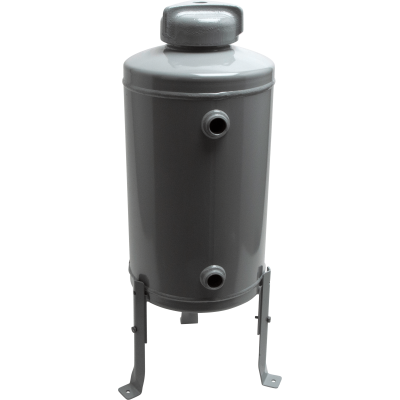
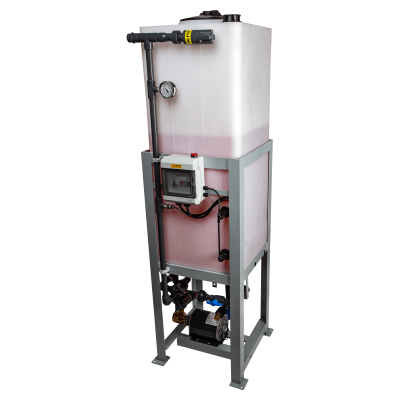
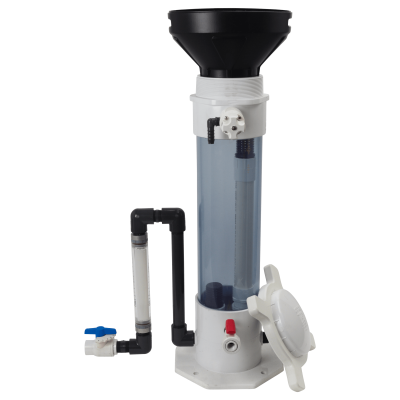
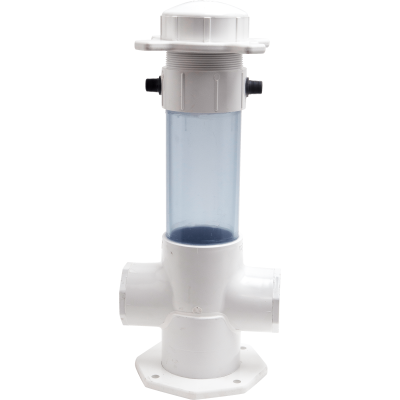
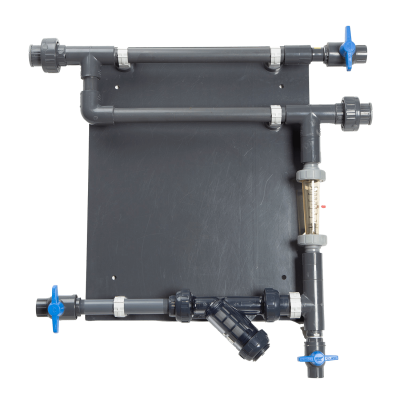
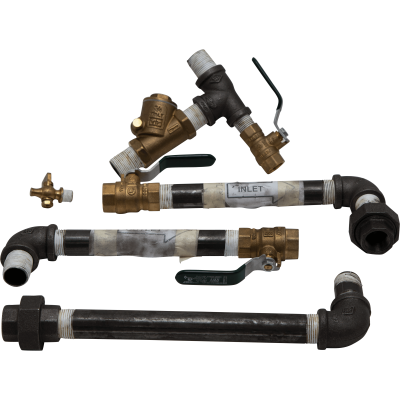



Controlled chemical addition is critical to preserving water quality and maximizing system efficiency in closed loop systems. Achieving precise dosing with industry-leading equipment and expert installation ensures treatment chemicals are introduced at the optimal rate and timing. This comprehensive article consolidates professional methodologies and best practices for closed-loop chemical addition, emphasizing bypass feeders, dosing accuracy, expert installation, flow control, rigorous safety protocols, and proactive maintenance strategies to minimize operational costs and significantly extend equipment lifespan.
Key Takeaways
- Accurate chemical dosing is the foundation of effective water treatment, ensuring consistent water quality, system efficiency, and protection of critical equipment.
- Bypass feeders enable continuous chemical addition—including corrosion inhibitors, biocides, and scale inhibitors—without interrupting system flow or operation.
- Precision flow meters and control valves maintain target chemical concentrations, reduce waste, and support compliance with EPA and ASHRAE standards.
- Built-in safety devices—such as pressure relief valves, automatic shut-offs, and leak detection sensors—protect personnel, equipment, and surrounding infrastructure during chemical handling.
- Routine inspections, calibration, and documented maintenance extend feeder lifespan, prevent dosing drift, and keep treatment programs audit-ready.
- Corrosion monitoring tools, including coupon racks and real-time sensors, detect early metal loss and help prevent costly system failures.
- Vector Industries’ American-made bypass feeders, chemical feed systems, and corrosion monitoring equipment deliver the precision, durability, and regulatory support facility managers need for reliable long-term performance.
Bypass Feeders
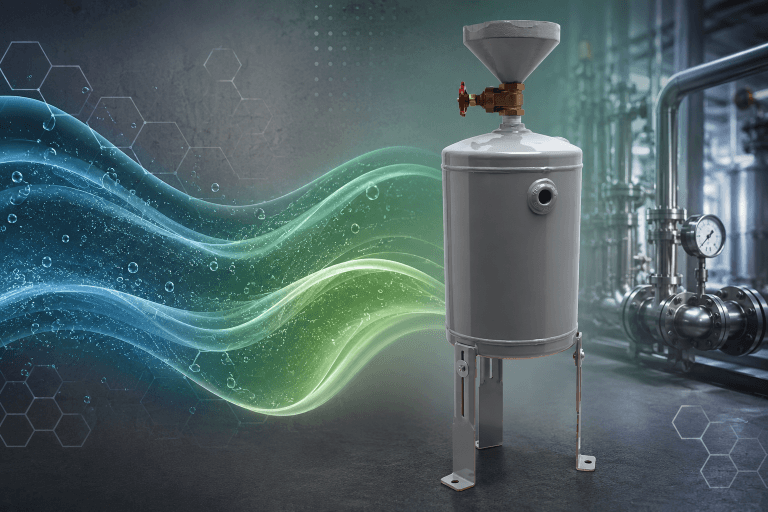
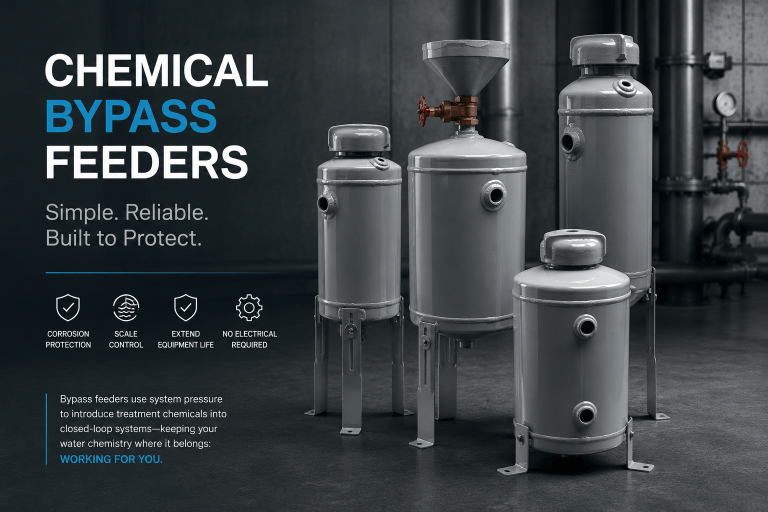
Bypass feeders are indispensable for introducing treatment chemicals without interrupting the main loop operation. They facilitate continuous, controlled treatment that effectively limits corrosion and scaling, thereby reducing service interruptions and enhancing system reliability. Selecting and installing bypass feeders tailored to system flow rates and chemical types is paramount for consistent, high-performance operation.
Chemical Dosing
Precision chemical dosing delivers corrosion inhibitors, biocides, and scale inhibitors at meticulously controlled rates. The effectiveness of treatment and overall system health depend on exact metering and adherence to scheduled feed protocols.
Corrosion Inhibitors
Corrosion inhibitors such as phosphates and azoles create durable protective films on metal surfaces. Applying these inhibitors at manufacturer-recommended concentrations and conducting regular monitoring are essential to ensure sustained protection and maximize asset longevity.
Biocide Feeders
Biocide feeders play a critical role in controlling microbial growth and biofilm formation, particularly in cooling towers and stagnation zones where Legionella bacteria pose significant health risks. Compliance with regulatory requirements is mandatory when selecting and applying biocide feeders to meet stringent health and safety standards.
Extensive research further validates the importance of biocidal treatment combined with structured water management programs in effectively controlling Legionella proliferation across diverse facility types.
Legionella Control: Biocidal Treatment & Water Management
Legionella infection presents a serious risk to vulnerable populations, especially elderly residents in healthcare facilities. Effective management requires preventing bacterial proliferation within internal water systems. Norwegian legislation mandates a Legionella-specific risk assessment followed by a tailored water-management program. Nursing homes implementing risk assessments demonstrated significantly higher compliance with monitoring Legionella levels (61.2% vs 38.8%), removal of dead legs (44.7% vs 16.5%), and preference for biocidal preventive treatments over hot-water flushing (35.5% vs 4.6%).
Adherence to Legionella control regulations and guidelines in Norwegian nursing homes: a cross-sectional survey, E Amato, 2024
Installation Techniques
Expert installation is vital to prevent common system failures and ensure safe, reliable chemical feed operations. Strictly follow manufacturer instructions, select materials compatible with the chemicals used, and incorporate isolation devices as required by system design.
Easy Installation
Modern chemical feeders often come pre-assembled with comprehensive wiring and plumbing diagrams, significantly reducing installation time and complexity. Adhering to these detailed guides guarantees correct connections and secure mounting, enhancing system reliability.
Visual Inspection
Implement scheduled, thorough visual inspections to verify chemical levels, confirm pump functionality, and detect leaks or component wear early. Proactive identification of issues prevents system downtime and costly repairs.
Flow Control
Utilizing precise flow control mechanisms—such as calibrated flow meters, proportional pumps, and high-quality valves—is essential to maintain target chemical concentrations. Consistent and accurate metering minimizes chemical waste and ensures treatment efficacy within optimal operational parameters.
Safety Features
Incorporate comprehensive safety features such as pressure relief valves, automatic shut-off systems, and advanced leak detection sensors to protect personnel and equipment. Maintain strict compliance with all relevant safety regulations and promptly replace any worn or malfunctioning safety devices to uphold system integrity.
Maintenance
Implementing a rigorous, routine maintenance program is essential to sustain feeder reliability and extend operational lifespan. A well-structured maintenance plan significantly reduces unplanned downtime and enhances overall system performance.
Maintenance Intervals and Procedures for Chemical Feeders
Establish clearly defined maintenance intervals for leak inspections, pump calibrations, and consumable replacements. Maintain detailed logs of all maintenance activities to identify trends and proactively schedule parts replacement before failures occur.
Corrosion Monitoring
Advanced corrosion monitoring within closed loops enables early detection of metal loss. Employ corrosion coupons or electronic probes and conduct regular data reviews to inform inhibitor dosing adjustments and maintenance decisions.
Recent studies emphasize the critical role of predictive corrosion monitoring techniques in optimizing the longevity and reliability of closed-loop HVAC systems.
Corrosion Monitoring in Closed-Loop HVAC Systems
A wet closed-loop hydronic heating and cooling system constitutes a continuous pipe network. Field applications of corrosion monitoring facilitate accurate assessment and prediction of corrosion rates, enabling proactive maintenance.
Predicting corrosion rate in chilled HVAC pipe network: coupon vs linear polarisation resistance method, 2020
Compliance Standards and Safety Measures
Adherence to established regulatory standards is non-negotiable to ensure safe, effective chemical dosing. EPA and ASHRAE guidelines provide authoritative frameworks for proper handling, application, and environmental protection.
EPA and ASHRAE Guidelines
Strict compliance with EPA and ASHRAE recommendations is essential to maintain water quality, prevent environmental contamination, and uphold operational safety and efficiency.
Best Practices for Safe Chemical Handling and Storage
Ensure all chemical containers are clearly labeled, personnel use appropriate personal protective equipment (PPE), and chemicals are stored in well-ventilated, secure areas. Maintain comprehensive emergency response procedures for spills or exposures to safeguard health and safety.
Selection of dosing methods should be aligned with system specifications and treatment objectives to optimize efficiency and safety.
For enhanced chemical delivery precision and system longevity, consider integrating advanced glycol feed systems into your water treatment strategy.
| Method | Application | Benefits |
| Bypass Feeders | Continuous chemical addition | Maintains water quality and system stability |
| Biocide Feeders | Control microbial growth | Prevents biofilm formation and health risks |
| Corrosion Inhibitors | Protect metal surfaces | Extends system lifespan and reduces failures |
Why Vector Industries Stands Behind Every Closed-Loop Installation
Closed-loop chemical addition leaves very little room for error—undersized feeders, sloppy installations, or imprecise dosing equipment can compromise water quality, accelerate corrosion, and quickly drive up operating costs.
Vector Industries builds the bypass feeders, dosing components, and corrosion monitoring equipment that facility managers, contractors, and water treatment professionals rely on to install closed-loop systems right the first time and keep them running predictably for years.
Bypass Feeders Engineered for Continuous, Uninterrupted Service
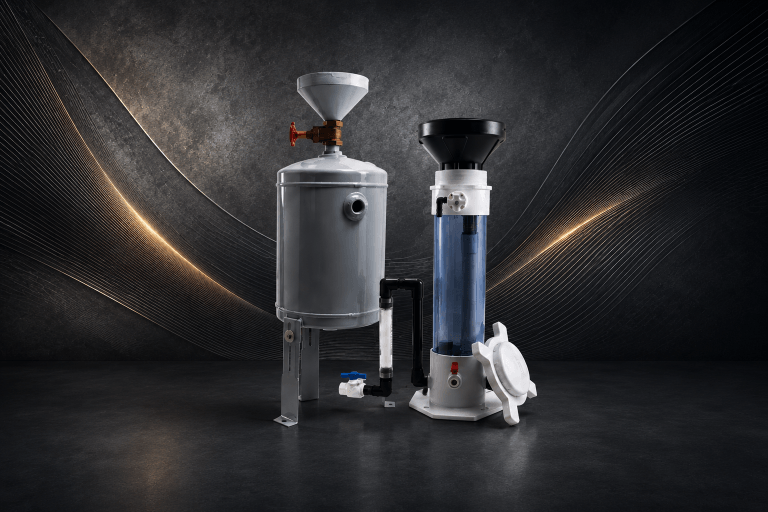
Vector Industries’ American-made bypass feeders are designed to deliver corrosion inhibitors, biocides, glycol, and scale inhibitors into closed loops without interrupting flow or requiring system shutdowns. Heavy-duty welded construction, chemical-resistant internals, and a range of sizes mean there’s a feeder fit for every application—from small hydronic loops to large industrial chiller systems. Generous fill ports, isolation valves, and built-in drain provisions make routine recharging fast, clean, and safe.
Precision Dosing Components That Hold Their Calibration
Effective closed-loop treatment depends on consistent chemical concentrations, and consistency depends on dosing equipment that doesn’t drift. Vector Industries integrates calibrated flow meters, proportional pumps, and high-quality control valves engineered to maintain accurate feed rates over long service intervals. The result is tighter control of inhibitor and biocide concentrations, less chemical waste, and treatment programs that stay within EPA and ASHRAE-aligned target ranges between scheduled service calls.
Installation-Ready Equipment with Clear Documentation
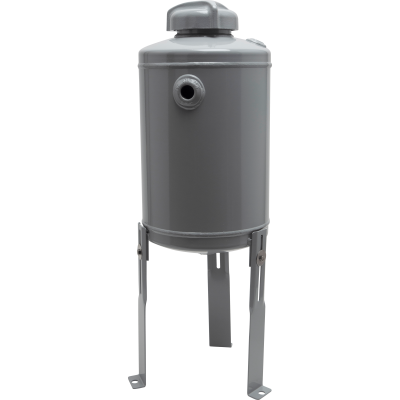
Every Vector Industries feeder ships pre-assembled with complete plumbing and wiring diagrams, mounting guidance, and clearly labeled connection points. Glycol feeders arrive fully assembled, while bypass feeders can include optional piping kits and pressure gauges depending on the customer’s order requirements. Feeders with adjustable leg configurations require the legs to be bolted onto the bottom during installation, with all necessary hardware included. That level of documentation and preparation shortens installation time, reduces the risk of miswiring or improper hookup, and gives contractors and in-house maintenance teams everything they need to commission the system correctly. Standardized fittings and accessible component layouts also make future expansions and equipment swaps significantly easier.
Built-In Safety Features for Personnel and System Protection
Vector Industries equipment is engineered with safety in mind.
Pressure ratings are clearly marked, isolation valves are positioned for safe service, and our systems integrate cleanly with pressure relief valves, automatic shut-offs, and leak detection sensors required by code or specified by the customer. Our products also undergo rigorous testing at our headquarters in Waukesha, Wisconsin. This focus on safe handling protects personnel during recharges, safeguards surrounding equipment from accidental discharge, and supports compliance with workplace safety regulations.
Corrosion Monitoring That Closes the Feedback Loop
Precision dosing only delivers full value when paired with accurate feedback.
Vector Industries manufactures corrosion coupon racks and monitoring components that integrate directly with our chemical feed systems, giving operators a reliable way to measure metal loss, validate inhibitor performance, and adjust dosing strategies based on real data. That feedback loop helps prevent costly failures in piping, heat exchangers, pumps, and other critical assets.
Maintenance-Friendly Design That Extends Equipment Life
Closed-loop equipment performs best when maintenance is easy to perform—and easy to document. Vector Industries feeders feature accessible fittings, replaceable wear parts, clearly labeled valves, and serviceable layouts that streamline inspections, calibrations, and consumable replacements. This design philosophy reduces labor hours, shortens maintenance windows, and helps operators keep audit-ready records that support EPA and ASHRAE compliance.
American Manufacturing and Direct Engineering Support
Every Vector Industries product is designed, welded, and assembled in the United States by certified technicians, then backed by direct access to the engineering team that built it.
That domestic footprint translates into faster lead times, consistent quality control, and meaningful technical support when contractors or facility managers need help specifying equipment, troubleshooting an installation, or planning a system upgrade.
From the initial bypass feeder selection to long-term corrosion monitoring, Vector Industries provides the rugged, precisely engineered, and serviceable equipment that closed-loop water treatment programs depend on—built in America and supported by people who understand exactly how these systems work.
Ready to optimize your closed-loop chemical feed system? Explore the complete lineup ofVector Industries products or call (262) 542-4550 to talk with our team about the right fit for your facility.
Frequently Asked Questions
What are the common types of chemicals used in closed loop systems?
Commonly used chemicals include corrosion inhibitors, biocides, and scale inhibitors. Corrosion inhibitors (such as phosphates and azoles) protect metal components, biocides control microbial populations and biofilm development, and scale inhibitors prevent mineral buildup. Each chemical type plays a vital role in maintaining water quality and prolonging system longevity.
How often should maintenance be performed on chemical feed systems?
Maintenance frequency depends on system workload and chemical consumption rates. Typically, monthly to quarterly inspections are recommended, including leak detection, dosing rate verification, and replacement of worn components. Detailed record-keeping facilitates trend analysis and proactive maintenance planning.
What safety measures should be in place when handling chemicals?
Essential safety measures include proper labeling of all chemical containers, mandatory use of PPE such as gloves and eye protection, secure and ventilated chemical storage, and comprehensive training for all personnel. Emergency spill response and exposure protocols must be established and regularly reviewed.
What is the role of flow control devices in chemical dosing?
Flow control devices—including flow meters, proportional pumps, and valves—regulate chemical feed rates to maintain precise target concentrations. Accurate flow control enhances treatment consistency, reduces chemical waste, and lowers operational costs.
How can corrosion monitoring improve system performance?
Corrosion monitoring provides critical data on metal degradation rates, enabling timely adjustments to inhibitor dosing and targeted maintenance interventions. This proactive approach minimizes repair costs, prevents unexpected failures, and extends system service life.
What are the consequences of improper chemical dosing?
Improper dosing can have severe consequences: overdosing may cause equipment damage and chemical imbalances, while underdosing allows scaling and microbial growth. Both scenarios compromise system efficiency, increase operational costs, and shorten equipment lifespan.
What guidelines should be followed for compliance in chemical handling?
Compliance requires strict adherence to EPA and ASHRAE guidelines, comprehensive personnel training, implementation of robust safety controls, and regular audits. These measures ensure safe chemical handling, protect personnel, and minimize environmental impact.
Why choose Vector Industries equipment for closed-loop chemical addition?
Vector Industries manufactures American-made bypass feeders, chemical dosing components, and corrosion monitoring equipment built specifically for closed-loop water treatment applications. Key advantages include:
- Continuous-service bypass feeders: Heavy-duty, welded construction that delivers corrosion inhibitors, biocides, glycol, and scale inhibitors without interrupting system flow.
- Precision dosing components: Calibrated flow meters, proportional pumps, and control valves engineered to maintain accurate feed rates and EPA/ASHRAE-aligned chemical concentrations.
- Installation-ready design: Pre-assembled feeders shipped with complete plumbing and wiring diagrams to shorten install time and reduce hookup errors.
- Integrated corrosion monitoring: Coupon racks and monitoring components that pair directly with Vector feeders to validate inhibitor performance and prevent costly metal loss.
- Maintenance-friendly layout: Accessible fittings, replaceable wear parts, and clearly labeled valves that streamline inspections, calibrations, and audit-ready documentation.
- U.S. manufacturing and engineering support: Faster lead times, consistent quality control, and direct access to the engineers who built the equipment.
Protect your system with proven, U.S.-made water treatment equipment. Visit Vector Industries products or call (262) 542-4550 to learn how we can support your facility.