Added
Added



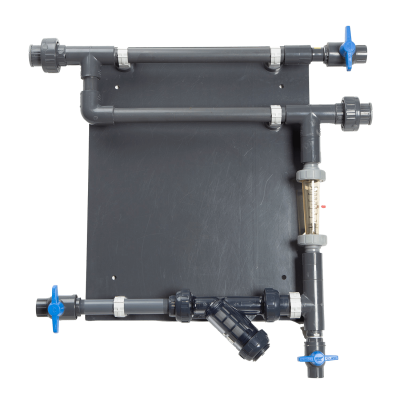
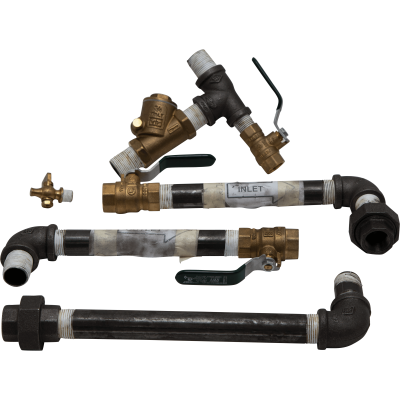


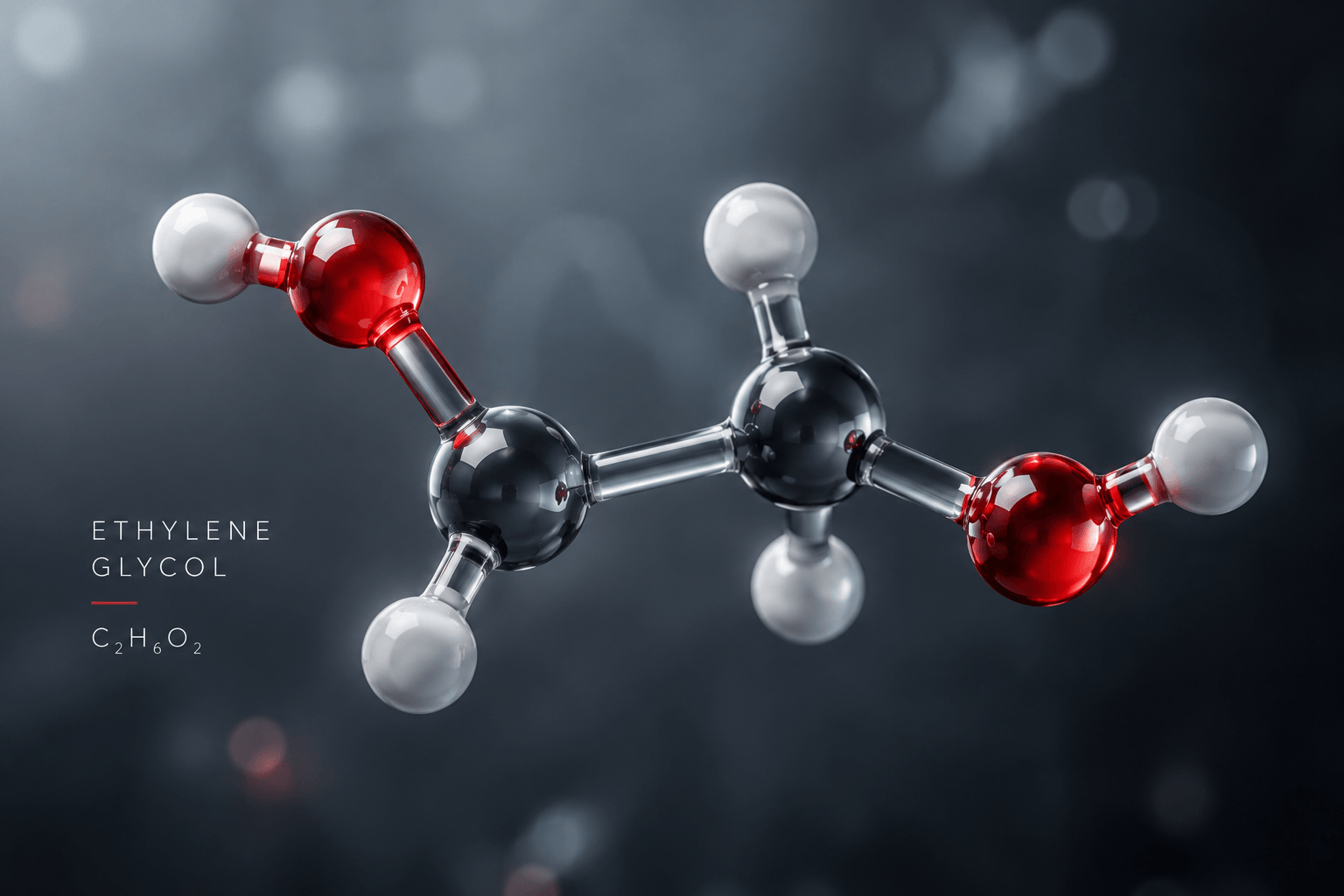
Glycol feed systems play a central role in closed-loop industrial heating and cooling, but common faults can cut efficiency and raise operating costs. Detecting these problems early reduces downtime and repair expense. This article outlines the typical maintenance faults, practical troubleshooting steps, and best practices for managing glycol feed systems — with emphasis on corrosion control and the function of chemical feed pumps.
Key Takeaways
- The most common glycol feed system issues are glycol degradation, chemical feed pump faults, and corrosion—each of which reduces heat transfer, raises energy use, and shortens equipment life if left unaddressed.
- Pump problems typically show up as inconsistent flow, unusual noise, and pressure fluctuations; structured troubleshooting (checking blockages, electrical connections, seals, and mechanical wear) restores accurate dosing quickly.
- Accurate chemical dosing depends on correct flow calibration, matching feed rates to system demand, and performing routine performance checks to prevent drift.
- Corrosion prevention combines scheduled inspections, properly selected corrosion inhibitors, balanced water chemistry, and biocide feeders to control microbial growth and biofilm-driven corrosion.
- Consistent monitoring, leak detection, and disciplined water chemistry management form the foundation of long-term closed-loop reliability.
- Vector Industries delivers American-made glycol feeders, chemical feed pumps, biocide feeders, and corrosion monitoring equipment engineered for closed-loop durability, calibration accuracy, and easy serviceability.
What Are the Most Frequent Glycol System Maintenance Issues?
The most common repeat issues are glycol degradation, chemical feed pump failures, and corrosion. Each reduces operational efficiency and — if unaddressed — can lead to component failure or system downtime. Routine monitoring and preventative maintenance are essential to avoid escalation.
How Does Glycol Degradation Affect System Performance?
Glycol degrades through thermal and oxidative reactions accelerated by heat and oxygen exposure. Degradation produces acids and byproducts that reduce heat transfer efficiency, raise energy consumption, and promote corrosion and scaling that further impair performance.
Published work documents specific problems such as ethylene glycol fouling and deposit formation under certain operating conditions.
Troubleshooting Ethylene Glycol Fouling & Deposits
Mono ethylene glycol is chosen as a hydrate inhibitor for its low volatility, relatively low toxicity, low flammability, favorable thermodynamic properties, and wide availability. In regeneration plants it presents two common issues: equipment fouling from iron carbonate and deposits of Ca2+/Mg2+ salts.
Ethylene glycol regeneration plan: a systematic approach to troubleshoot the common problems, ME Haque, 2012
What Signs Indicate Chemical Feed Pump Problems?
Chemical feed pumps maintain target glycol concentration and system stability. Watch for uneven flow, abnormal noises, and pressure fluctuations — these symptoms can lead to overheating or freeze risk if dosing is off. Regular inspection and upkeep of chemical feed pumps reduce the chance of unexpected failures.
How to Troubleshoot Glycol Feed Pump and Chemical Feeder Failures?
Follow a structured diagnostic routine: clear or verify suction and discharge lines for blockages, confirm electrical connections and control signals, inspect seals and fittings for leaks, and assess mechanical wear on moving parts. A disciplined process helps technicians isolate faults and restore accurate dosing quickly.
What Are Common Causes of Glycol Feed Pump Malfunctions?
Frequent causes include mechanical wear, incorrect calibration, and imbalanced chemistry. Extended run time or deferred maintenance lowers pump efficiency, while miscalibration produces inaccurate feed rates. Scheduled servicing and calibration reduce these risks.
Which Steps Ensure Accurate Chemical Feed Calibration?
To calibrate: verify the pump’s actual flow rate, adjust the feed rate to meet system demand, and perform routine performance tests. Implementing a calibration schedule maintains consistent, effective dosing and prevents drift over time.
How Does Corrosion Impact Closed Loop Glycol Systems and Cooling Towers?
Corrosion is a key threat in closed-loop glycol systems and cooling towers. Interactions among glycol, additives, and metal surfaces can produce corrosive byproducts and rust that weaken piping and components, causing leaks and reduced system efficiency over time.
What Are Effective Corrosion Monitoring and Prevention Techniques?
Key measures include scheduled visual and instrument inspections, using appropriate corrosion inhibitors, and maintaining correct glycol concentration and water chemistry. Early detection enables targeted remediation; inhibitors and chemistry control reduce corrosion rate and extend component service life. Learn more about corrosion monitoring to protect system assets.
How Do Biocide Feeders Help Manage System Corrosion?
Biocide feeders limit microbial growth and biofilm formation, which are major contributors to microbially induced corrosion. Properly dosed biocides help preserve heat-transfer surfaces and maintain long-term system reliability.
What Best Practices Minimize Cooling Tower Chemical Feed Challenges?
Adopt routine chemical-level monitoring, control water chemistry to target parameters, and perform regular maintenance on feed equipment. These practices reduce operational risk and the likelihood of feed-related interruptions.
How to Detect and Prevent System Leaks in Closed Loop Systems?
Use visual inspections, pressure testing, and electronic leak detection to find leaks early. Promptly repair discovered leaks and perform follow-up checks so small issues don’t become system failures.
What Maintenance Checklists Ensure Long-Term System Reliability?
A robust checklist should include pump and valve inspections, glycol concentration and freeze-point verification, corrosion assessments, and leak checks. A consistent schedule helps operators address problems proactively and sustain efficient operation.
| Corrosion Prevention Technique | Description | Effectiveness |
| Corrosion Inhibitors | Specialized chemicals added to glycol to slow corrosion reactions | High |
| Regular Inspections | Planned visual and instrument checks to catch corrosion early | Medium |
| Water Chemistry Management | Maintaining target pH and balanced chemical concentrations | High |
This table summarizes common corrosion prevention approaches and their relative effectiveness for protecting glycol-system integrity. Understanding these options helps operators select the best mitigation strategy for their installation.
In summary, proactively addressing glycol feed system faults preserves performance and prevents costly downtime. Applying the troubleshooting steps, preventive maintenance, and corrosion-control strategies described here improves reliability and lowers lifecycle costs. Vector Industries manufactures rugged chemical feed systems and water-treatment equipment built for closed-loop glycol systems, cooling towers, and boiler applications.
For dependable, American-made water treatment equipment, visit Vector Industries products or give our team a call at (262) 542-4550 to discuss how we can support your cooling tower operation.
Vector Industries: Equipment Built for the Long Haul
Reliable glycol feed performance depends on equipment that’s designed to handle the realities of closed-loop service—thermal cycling, chemistry shifts, and years of continuous duty. Vector Industries builds chemical feed and water treatment equipment with those conditions in mind, and we back it with the engineering support facility teams need to keep systems running predictably.
Glycol Feeders Built for Closed-Loop Reliability
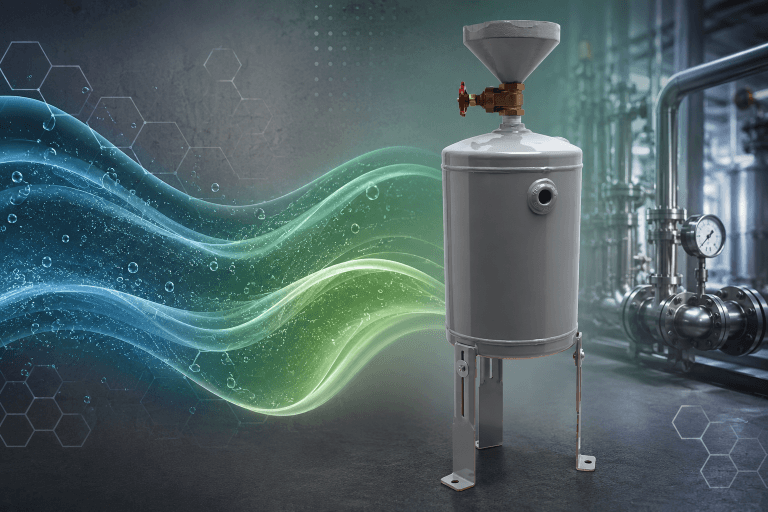
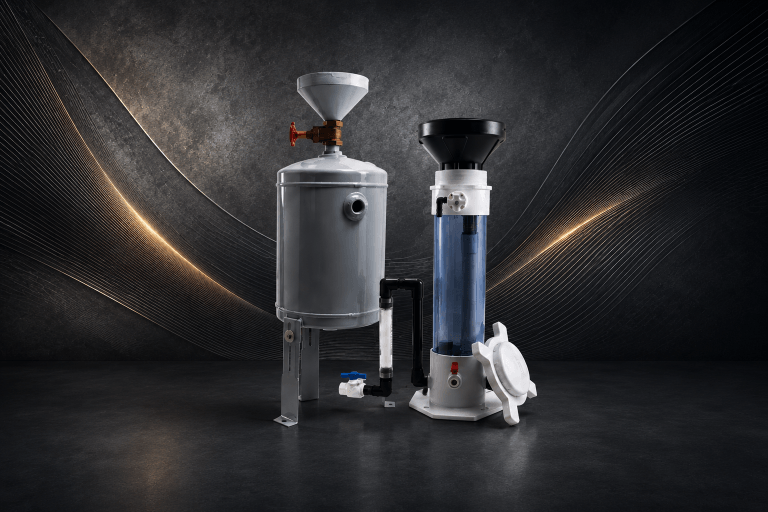
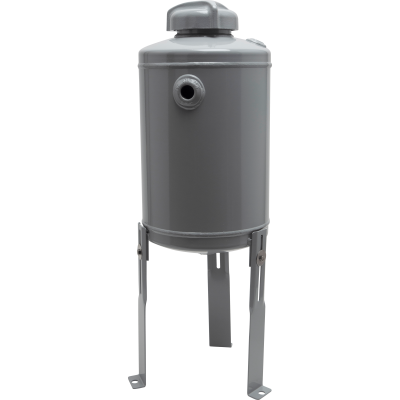
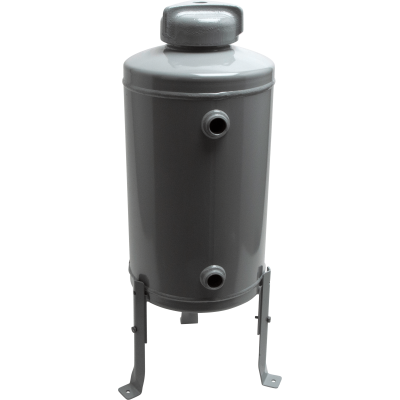
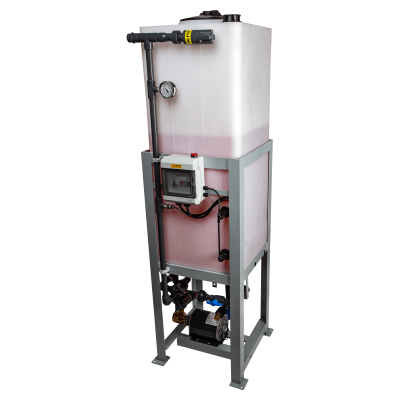
Vector Industries glycol feeders are engineered specifically for the demands of closed heating and cooling loops. Heavy-duty tanks, chemical-resistant components, and clean internal geometry help keep glycol stable, simplify recharging, and reduce the wear points that lead to leaks or contamination. Whether you’re maintaining freeze protection in a chiller loop or topping off a hydronic heating system, our feeders are designed to dose accurately and operate dependably year after year.
Chemical Feed Pumps That Hold Their Calibration
Inconsistent dosing is one of the most common root causes of glycol system trouble, and it usually starts at the pump. Vector Industries selects and integrates chemical feed pumps engineered for tight calibration tolerances and steady performance under fluctuating system loads. Our designs make it easy for technicians to verify flow rates, adjust feed settings, and catch drift before it turns into a chemistry imbalance — which means fewer surprises during routine inspections and fewer emergency callouts.
Corrosion Monitoring That Integrates With Your Feed System
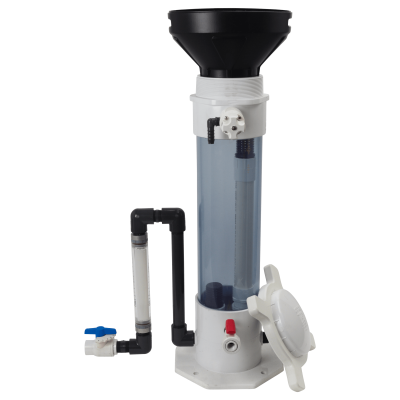
Because corrosion is one of the biggest long-term threats to glycol loops, Vector Industries offers corrosion coupon racks and monitoring components that work seamlessly alongside our feeders. Operators can sample, inspect, and document corrosion rates without disrupting flow, giving water treatment professionals the data they need to dial in inhibitor dosages and protect piping, heat exchangers, and circulating pumps over the long haul.
Serviceability Designed Into Every System
Glycol systems require regular attention — concentration checks, freeze-point verification, seal inspections, and inhibitor top-offs. Vector Industries equipment is laid out for the technician who actually has to perform that work. Accessible fill ports, clearly labeled valves, easy-to-reach fittings, and replaceable wear components shorten maintenance windows, reduce labor costs, and make it far easier to follow the structured maintenance checklists that keep closed-loop systems reliable.
American Manufacturing, Direct Engineering Support
Every Vector Industries product is designed and manufactured in the U.S., built by certified welders and assembled to consistent quality standards. Even our steel is sourced from the U.S. That domestic footprint translates into faster lead times when you need a replacement, tighter quality control on every weld and fitting, and direct access to the engineers who actually built your equipment. When a glycol system needs troubleshooting, our technical team can speak the same language as your maintenance crew and help diagnose issues quickly.
A Full Lineup for the Whole Loop
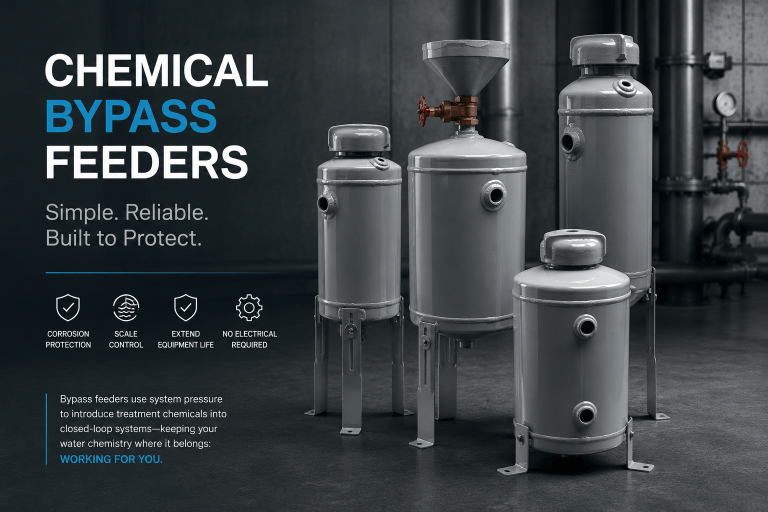
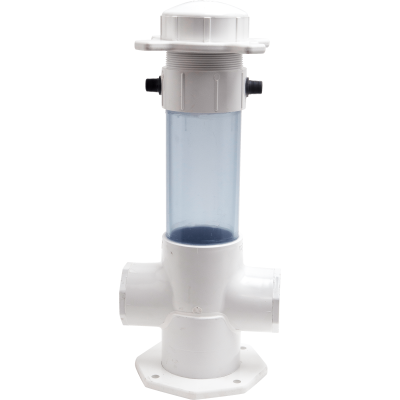
Glycol feeders are only one part of a healthy closed-loop program. Vector Industries also manufactures bypass feeders, biocide feeders, brominators, and corrosion monitoring equipment — so facility managers can source compatible, well-engineered equipment for the entire treatment chain from a single American manufacturer. That integration simplifies specification, streamlines maintenance, and ensures every component in the loop is built to the same standard of durability and precision.
From the pump head to the corrosion coupon rack, Vector Industries gives plant operators, contractors, and water treatment professionals the rugged, serviceable, and accurately calibrated equipment they need to keep glycol systems performing efficiently — and to extend the life of the assets those systems protect.
Ready to strengthen your cooling tower program? Browse the full lineup of Vector Industries products or call (262) 542-4550 today to talk through the right solution for your facility.
Frequently Asked Questions
What is the role of glycol in industrial systems?
Glycol serves as a heat-transfer and antifreeze fluid in closed-loop heating and cooling circuits. It transports heat efficiently and prevents freezing at low temperatures, helping maintain reliable system operation.
How can I identify glycol degradation in my system?
Look for changes in color, odor, and viscosity; lab analysis for acidity and degradation byproducts provides definitive confirmation. Regular sampling and testing enable early intervention and remediation planning with a specialist when necessary.
What are the consequences of not maintaining glycol feed systems?
Neglect leads to reduced heat transfer, higher energy consumption, greater risk of component failure, and ultimately expensive repairs and downtime. Routine maintenance preserves reliability and lowers total lifecycle cost.
What types of corrosion inhibitors are effective for glycol systems?
Both organic and inorganic inhibitors are used; common classes include azoles, phosphates, and nitrites, each protecting specific metal types. Selection depends on system materials and operating conditions, and dosing should be validated by ongoing monitoring.
How often should I perform maintenance on glycol feed systems?
Frequency depends on system duty and environment, but quarterly inspections are a common baseline. Check chemical levels, pumps and valves, and look for corrosion or leaks; increase inspection frequency in aggressive conditions.
What are the best practices for managing water chemistry in glycol systems?
Maintain target pH, regularly monitor chemical concentrations, and balance additives. Routine water-quality testing detects imbalances that lead to corrosion or scaling. A water-treatment program combining biocides and corrosion inhibitors supports long-term system performance and reliability.
What makes Vector Industries equipment a good fit for closed-loop glycol systems?
Vector Industries equipment is purpose-built for closed-loop glycol systems, with American-made construction, tight calibration tolerances, and serviceable designs that hold up under continuous duty. Key advantages include:
- Closed-loop durability: Heavy-duty glycol feeders and chemical feed pumps engineered to withstand thermal cycling, chemistry shifts, and long-term industrial service.
- Calibration accuracy: Precision dosing components that maintain consistent feed rates and reduce drift between maintenance intervals.
- Integrated corrosion monitoring: Coupon racks and monitoring equipment that work alongside Vector feeders to protect piping, heat exchangers, and circulating pumps.
- Maintenance-friendly design: Accessible fill ports, clearly labeled valves, and replaceable wear components that simplify routine service.
- American manufacturing and direct support: Every product is designed and built in the U.S., delivering faster lead times, consistent quality, and direct access to the engineers who built your equipment.
Together, these features help facility managers, contractors, and water treatment professionals keep glycol systems efficient, compliant, and reliable over the long term.