Added
Added



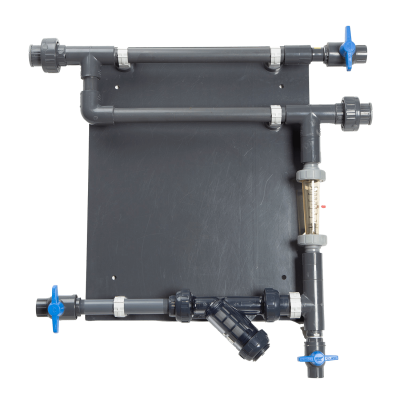
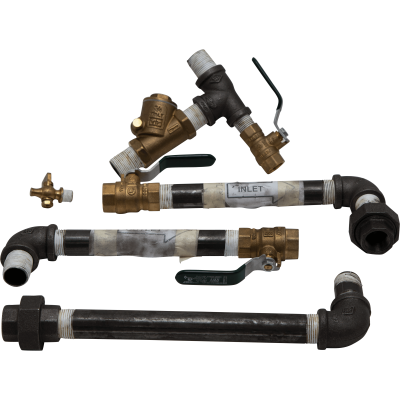


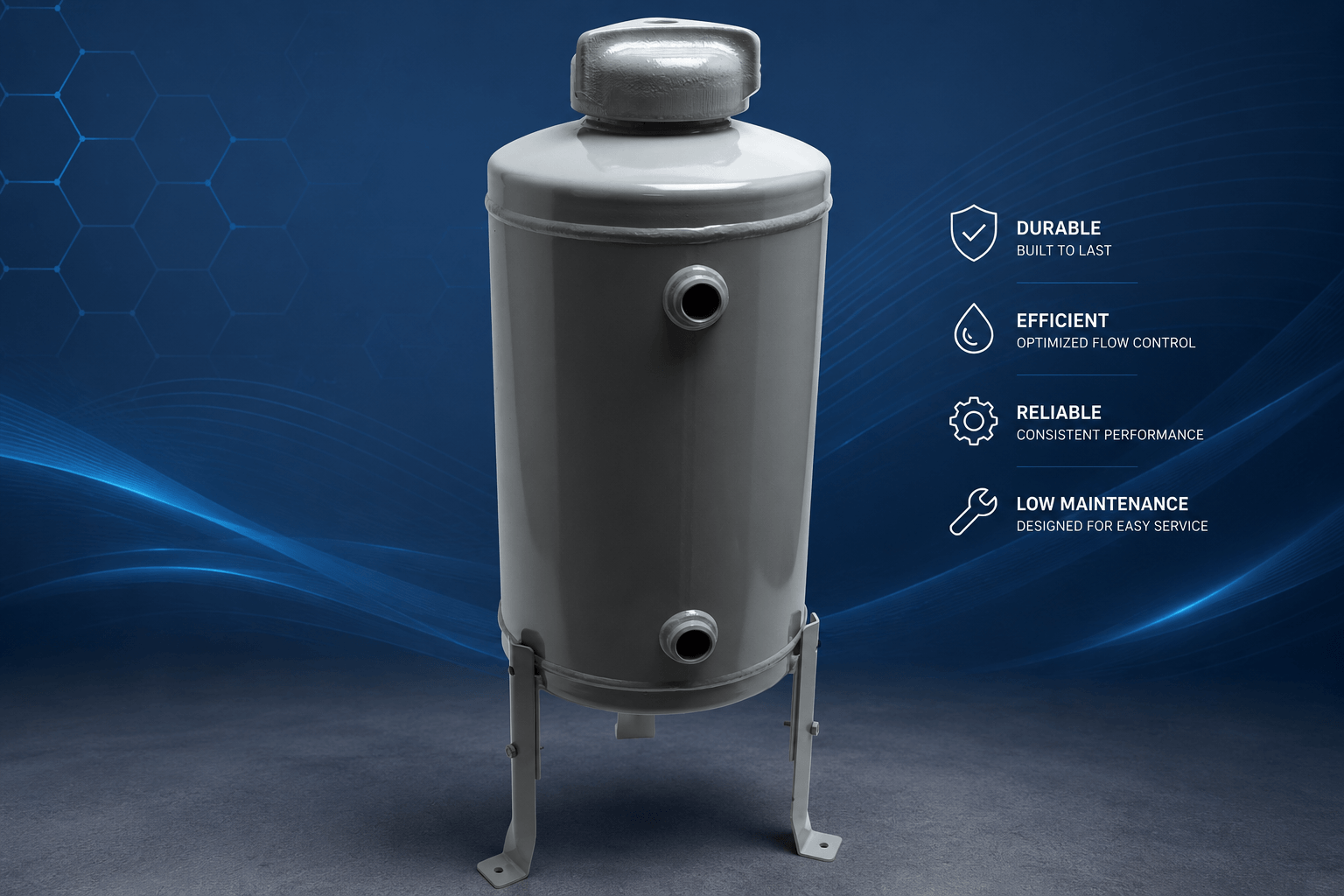
In today’s water treatment industry, efficiency, reliability, and system protection are more important than ever.
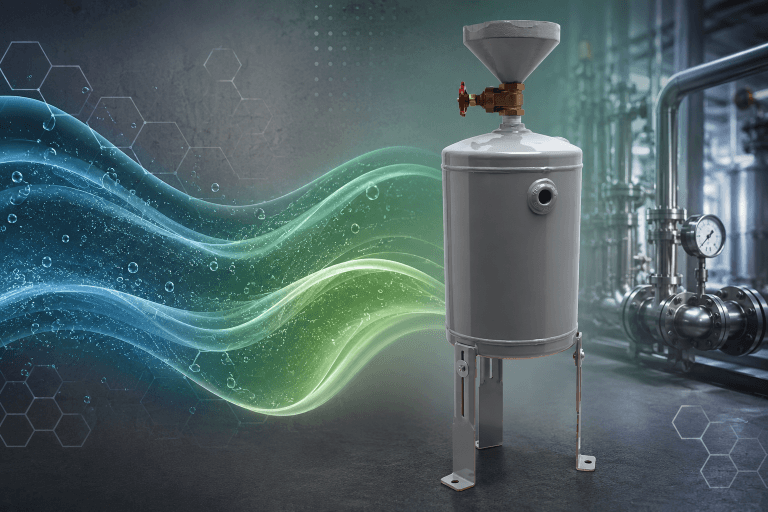
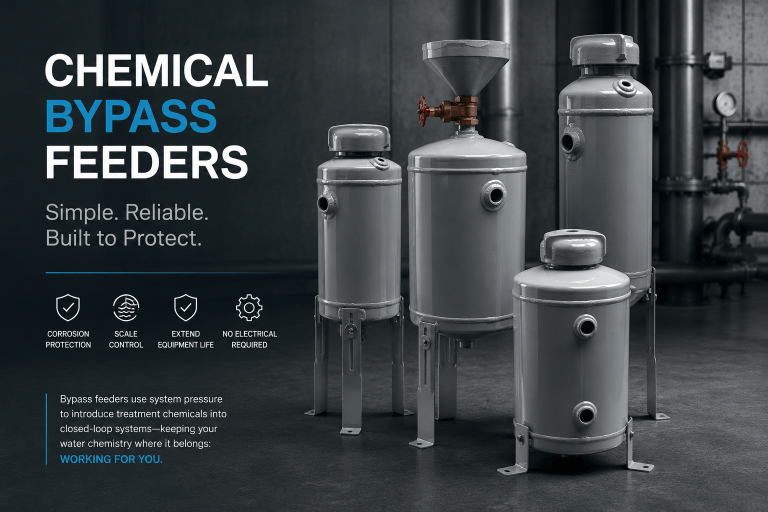
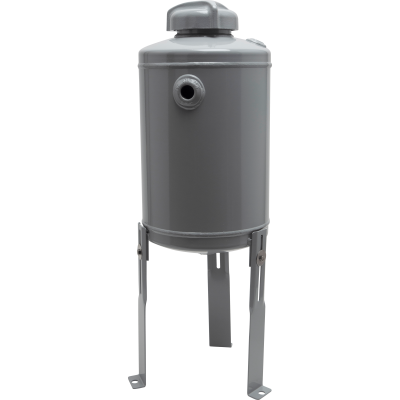
While technology continues to evolve, one piece of equipment has remained a staple in closed-loop and hydronic systems: the bypass pot feeder.
Simple in design but highly effective in application, bypass feeders play a critical role in maintaining system health, reducing corrosion, and extending equipment life.
What Is a Bypass Pot Feeder?
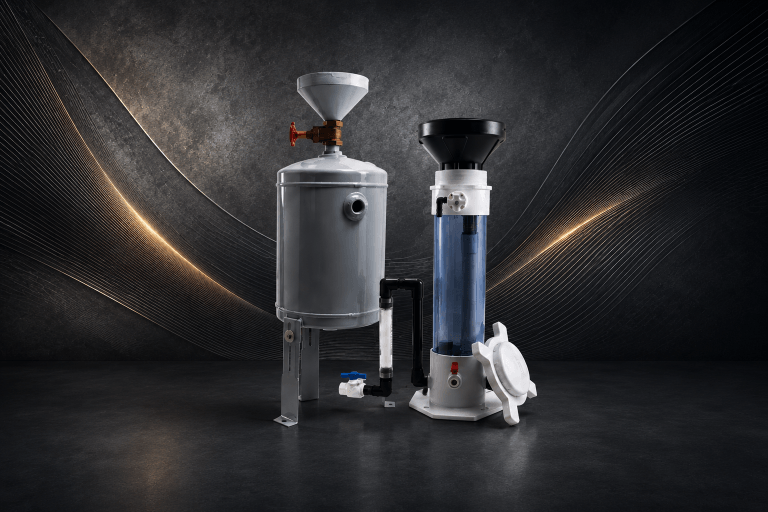
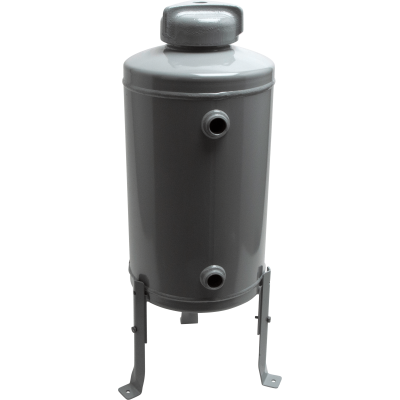
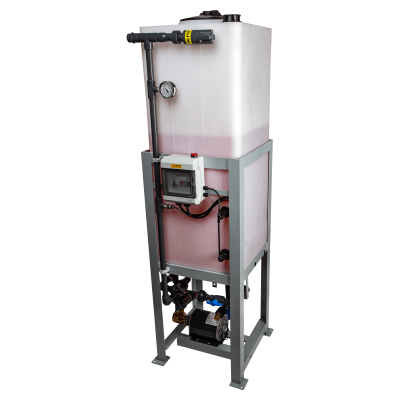
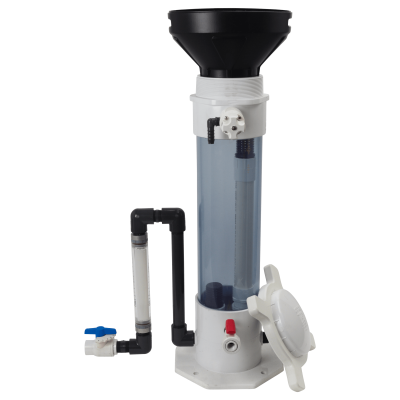
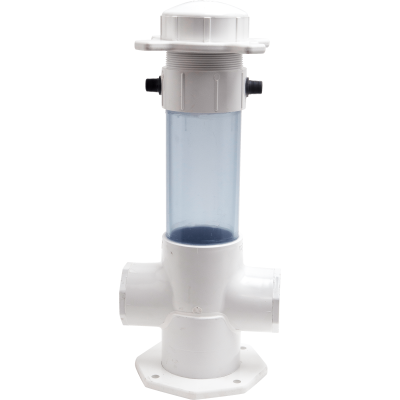
A bypass pot feeder is a pressurized vessel installed on a side stream of a closed-loop water system. Its primary purpose is to introduce water treatment chemicals — such as corrosion inhibitors, biocides, glycol, and cleaning agents — into the system safely and efficiently.
Rather than shutting down the main system for chemical addition, operators can isolate the feeder, add the treatment, and allow the system flow to gradually circulate the chemical throughout the loop.
This makes chemical additions safer, cleaner, and far more controlled.
Why Are They Important?
Closed-loop systems are often overlooked because they are “sealed,” but they still experience corrosion, scale buildup, microbiological growth, and suspended solids.
Without proper treatment, these issues can lead to:
- Reduced heat transfer efficiency
- Increased energy costs
- Premature equipment failure
- Pump and valve damage
- Blocked strainers and poor flow
- Expensive downtime and repairs
A properly maintained bypass feeder helps prevent these issues by making routine chemical treatment simple and effective.
Proper Sizing Matters
Bypass feeders and side-stream filtration systems should never be sized randomly. Key factors include:
- Total system size and volume
- System flow rates
- Pipe size
- Type of system (closed loop, chilled water, hot condenser loop, glycol system)
- Operating pressure and temperature
- Amount of suspended solids
- Expected chemical demand
- Chemical compatibility
- Material of construction
- Filtration integration options
- Maintenance and service requirements
- Location and ease of access
A common mistake is undersizing the feeder or filtration system, which limits treatment effectiveness and slows chemical distribution.
Chemical Compatibility Is Critical
Not every chemical belongs in every feeder. Important considerations include:
- Steel vs. stainless steel construction
- pH range of chemicals
- Oxidizer compatibility
- Glycol compatibility
- Corrosion inhibitor chemistry
- NSF or industry approvals when required
For example, aggressive acids such as hydrochloric acid require careful review of metallurgy before being used in a standard steel feeder.
Filtration Supports Chemistry
Chemicals alone do not solve suspended solid problems. If magnetite, iron oxide scale, or debris are circulating through the system, they may continue to cause:
- Under-deposit corrosion
- Strainer plugging
- Reduced heat transfer
- Pump seal damage
- Valve failures
- Increased corrosion rates
Side-stream filtration and magnetic separation physically remove these solids, helping the chemistry work more effectively.
Installation Can Make or Break Performance
Even the best bypass feeders can fail with poor installation.
Critical considerations include:
- Dielectric unions
- Proper isolation valves
- Correct bypass flow
- Safe pressure relief considerations
- Avoiding dead-leg installations
- Proper sample ports for monitoring treatment results
Engineers Want Data
Good recommendations should include:
- Micron ratings of filtration
- Expected turnover rates
- Differential pressure expectations
- Water quality baseline testing
- Before-and-after condition documentation
This helps move the conversation from simply “selling equipment” to solving a system problem.
Final Thought
At Vector Industries, our family-owned and operated business has proudly manufactured water treatment equipment in the USA for over 60 years using materials sourced from trusted American suppliers.
We offer magnetic inserts and filtration options designed to help remove magnetite, iron oxides, and suspended solids to provide greater system protection and longer equipment life.
If you have questions about sizing, installation, or selecting the right feeder for your application, contact the Vector Industries team today.